

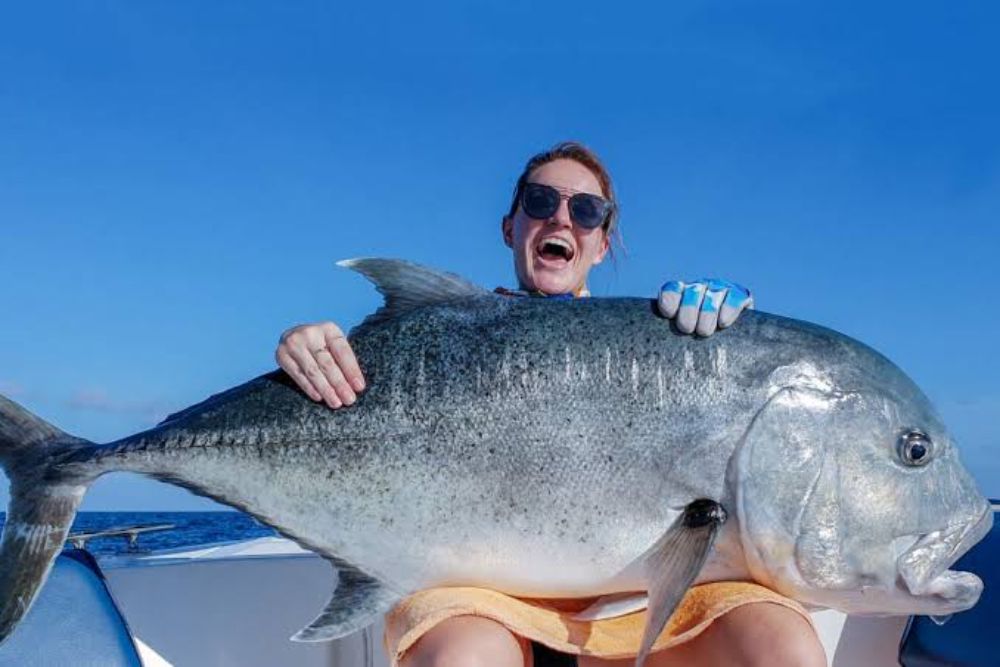
Avoid eating large reef fish like Giant Trevally, Red Bass, Barracuda and Moray Eels � they risk ciguatera poisoning. Also, be wary of sharks and Escolar due to mercury/toxins. Size matters: bigger fish = higher risk. Avoid internal organs.
Large, predatory reef fish, including the Giant Trevally (Caranx ignobilis), are frequently avoided as food because they carry a high risk of ciguatera poisoning, a toxin that accumulates in the flesh of large reef-associated fish. While small trevally are considered safe, larger specimens—often exceeding 6 kg or caught in specific tropical regions—are dangerous to consume.
Here are big fishes that are generally not eaten or should be avoided:
1. Reef Predators (High Ciguatera Risk)
. Giant Trevally (GT): While technically edible, they are often avoided in the Indo-Pacific due to ciguatera, particularly in Hawaii and parts of the Cook Islands.
. Red Bass (Bohar Snapper): Widely recognized as a major source of ciguatera, often recommended to be avoided entirely.
. Barracuda: Large specimens, especially in the Caribbean and tropical Pacific, are high-risk.
. Moray Eels: These are top reef predators with a very high likelihood of containing toxins.
. Large Groupers & Coral Trout: Like the GT, these fish live long enough to accumulate high levels of poison, particularly in degraded reef areas.
. Titan Triggerfish: Large specimens of this species are often restricted from consumption.
2. Fish with High Mercury or Toxicity
Shark: Many shark species, particularly larger ones, are not considered good eating due to high mercury levels.
Greenland Shark: This deep-water fish is considered toxic and inedible due to the high concentration of trimethylamine oxide in its flesh, which acts as a type of anti-freeze.
King Mackerel (Narrow-barred Spanish Mackerel): High levels of mercury make large specimens risky.
Escolar: Often called the "diarrhea fish," it contains high amounts of wax esters that are indigestible by humans, leading to digestive issues.
3. Other Reasons (Endangered/Protection)
Giant Freshwater Stingray: Considered a "monster fish," they are generally not eaten simply due to their extreme scarcity and protected status in many regions.
Key Tips on Avoiding Ciguatoxic Fish
Size Matters: The larger the fish, the higher the risk.
Avoid Internal Organs: Ciguatera toxin is most concentrated in the head, roe, liver, and other viscera.
Regional Differences: Avoid eating fish caught near disturbed or dead coral reef ecosystems.
Note: In the Cook Islands and other areas, the Giant Trevally is often caught solely for sport and released because of its reputation for toxicity.




No comments yet. Be the first to share your thoughts!