

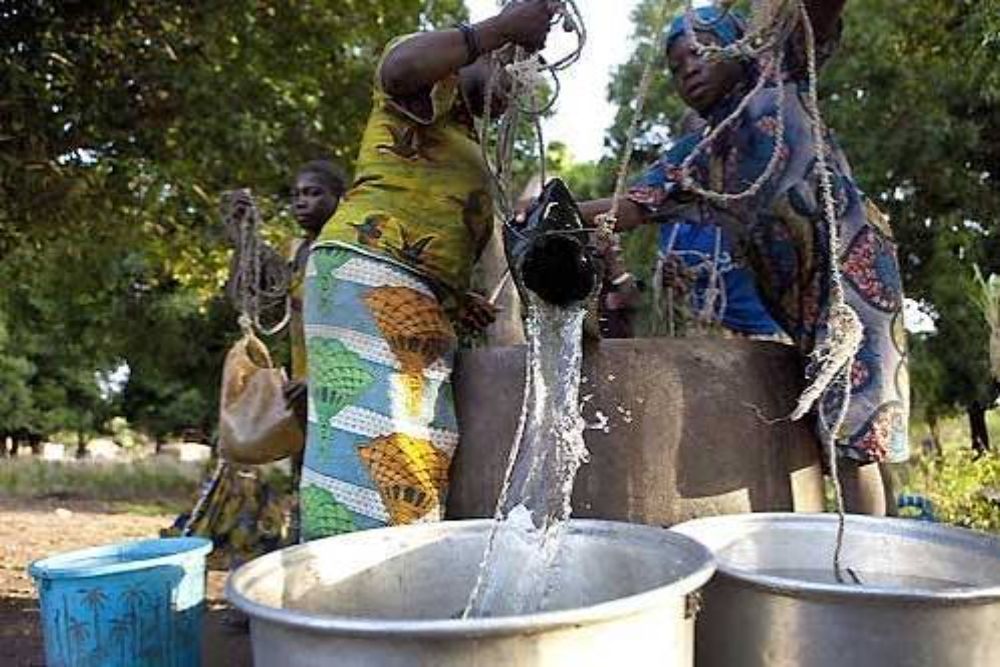
In 2025 and 2026, Nigeria continues to face a significant "pipe-borne" water crisis, with less than 10% of the population having access to water piped directly into their homes. While many states report high "basic water access" (which includes boreholes), actual utility-scale piped water remains a major challenge across all six geopolitical zones.
The following states and regions have documented specific pipe-borne water challenges during this period:
Lagos State: Despite being a major hub, many residents struggle with limited access to public pipe-borne water. The state is currently rehabilitating the Iju and Adiyan water treatment plants. While officials hoped for improvements by late 2025, but full coverage for the majority of homes is not targeted until 2027.
Abuja (Federal Capital Territory): Residents in satellite towns like Kubwa, Nyanya, and Gwagwalada have reported that pipe-borne water is frequently unavailable for long periods. In early 2026, administrative inefficiencies and billing delays further crippled the FCT Water Board's operations.
Ebonyi State: As of March 2026, the state is grappling with acute water scarcity. The government has acknowledged these challenges, citing high demand and the need for new infrastructure.
Niger State: Persistent water scarcity continues despite heavy government investment. In areas like? Minna metropolis, residents often rely on expensive private water vendors (water barrow pushers) because public taps do not run regularly.
Bayelsa State: The 2026 budget was specifically designed to address ongoing water challenges in the state.
Enugu State: While the current administration is upgrading pipelines in areas like Idaw River and New Haven, many residents still rely on private boreholes due to the historical failure of the public utility system.
Cross River and [Delta States: These two states are part of a broader South-South regional crisis where only a few liters of water are available per person per day, well below recommended standards.
Regional Breakdown of Challenges
* North-East Region: Adamawa and Yobe States. This region has the lowest access to safely managed drinking water at approximately 2%. Conflict-driven displacement and natural disasters like the 2024 floods have also severely damaged existing water infrastructure.
* North-West: Sokoto and Zamfara face acute vulnerability due to desertification and prolonged dry spells that wither surface water bodies, making piped systems harder to sustain.
* South-West: While this region has the highest relative access (29-31%), only about 42% of households in states like Ogun have access to pipe-borne water, with rural access as low as 19%. [1, 18, 19, 20, 21, 22]
Root Causes (2025–2026)
* Infrastructure Decay: Aging asbestos and PVC pipes are frequently broken or leaking.
* Funding Gaps: Although the Federal Ministry of Water Resources proposed ?211.79 billion for the 2025 budget, many state utilities remain underfunded and unable to purchase treatment chemicals.
* Power Supply: Erratic electricity prevents water corporations from pumping water through existing pipes, forcing them to use expensive alternative power.



No comments yet. Be the first to share your thoughts!