

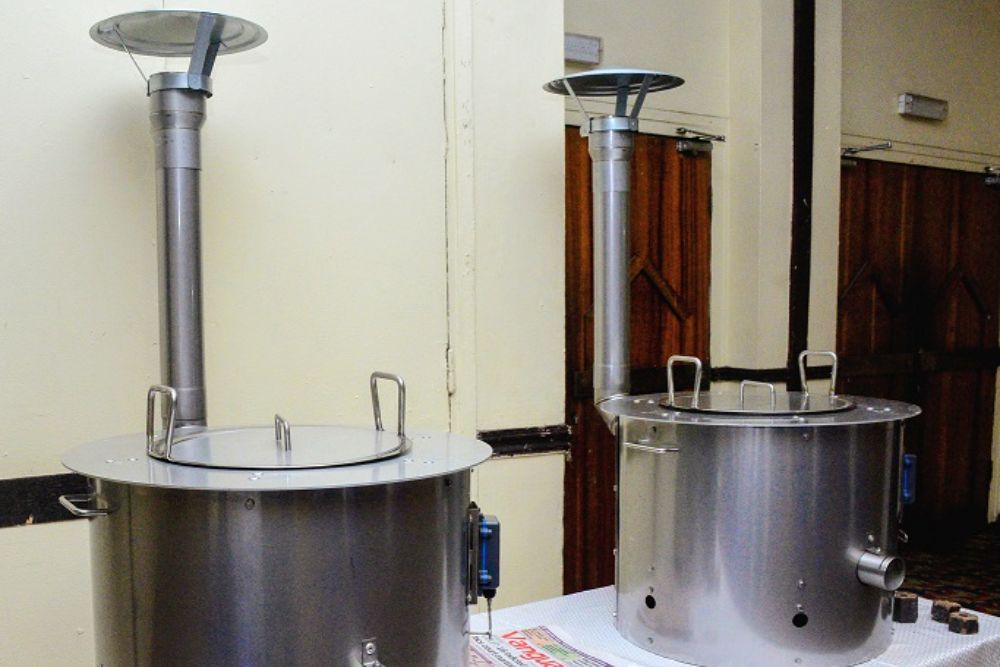
Nigeria's $5B carbon credit initiative aims to distribute 80M clean cookstoves, tackling deforestation & energy poverty. It will generate revenue for governments & communities, positioning Nigeria as a leader in climate finance.
Nigeria is positioning itself to become a major player in the global carbon economy through an ambitious clean cooking programme projected to generate up to $5 billion annually in carbon credit revenues.
The initiative, led by GREENPLINTH AFRICA LIMITED, seeks to distribute 80 million clean cookstoves across the country in what stakeholders describe as one of the largest household energy transition projects ever undertaken in Africa.
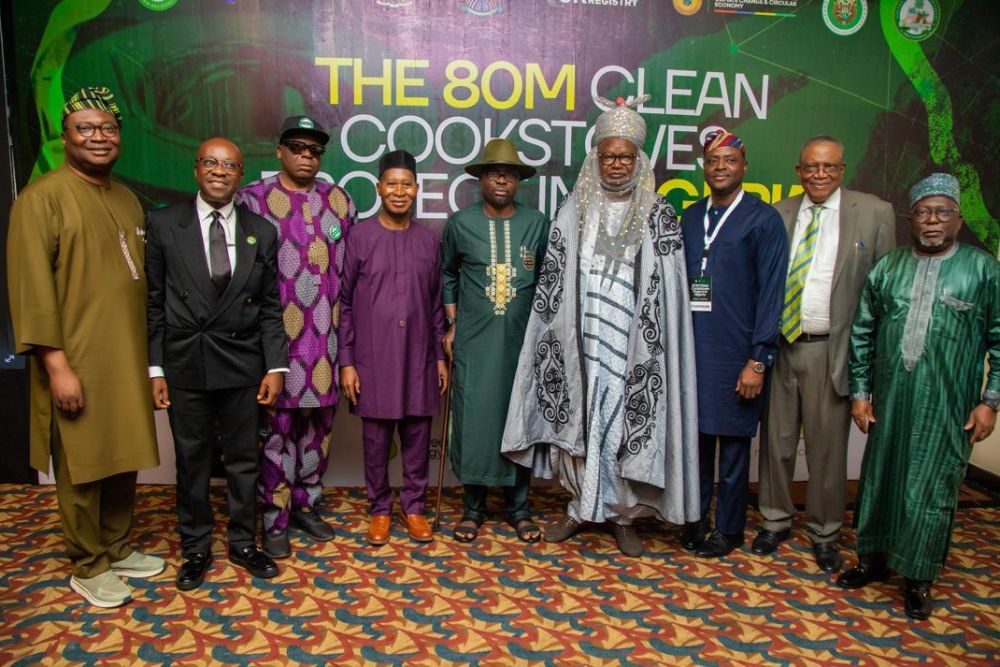
The programme was unveiled during a media and stakeholder engagement session held in Lagos, where project leaders outlined its economic, environmental and social impact potential. Full implementation will commence in Lagos, Niger, Enugu, Nasarawa, Benue, Kebbi, Borno and Delta States before expanding nationwide.
Repositioning Nigeria in the Global Carbon Market
According to the company’s Group Chief Financial Officer, Babatunde Aina, the initiative is structured to unlock climate finance at scale by generating verified carbon credits from measurable reductions in greenhouse gas emissions. He explained that revenue generated will be shared through a structured framework benefiting federal and state governments, local authorities, host communities and participating households.
The project is designed to operate within the compliance carbon market a regulated system with significantly higher pricing than the voluntary carbon market. Current compliance market valuations are estimated at around $104 per metric tonne, providing stronger revenue potential.
Aina noted that although the global carbon market is valued in the trillions of dollars annually, Africa currently captures only a marginal share. The clean cookstove programme aims to change that trajectory by placing Nigeria at the forefront of carbon-backed climate financing.
Tackling Deforestation and Energy Poverty
Nigeria’s widespread dependence on firewood for cooking has contributed to severe environmental degradation. Industry experts estimate that over 95 per cent of the country’s original forest stock has been depleted, exacerbating desertification, biodiversity loss and public health concerns linked to indoor air pollution.
The new clean cooking initiative seeks to reach over 80 million Nigerians, particularly women and children who bear the brunt of indoor smoke exposure. Each registered household will receive a clean cookstove and two 15-litre cooking pots at no cost.
To ensure transparency and emissions verification, the stoves will be equipped with digital metering and GPS tracking systems. These technologies will monitor usage patterns and calculate emissions avoided a requirement for carbon credit certification.
Participating households will also receive monthly biomass briquette supplies and financial support through the Paid to Cook initiative, which provides a N10,000 monthly stipend.
Economic Inclusion and Value Chain Development
Beyond environmental impact, the programme is expected to stimulate job creation and inclusive economic participation. Firewood vendors will be retrained and integrated into the clean energy value chain as biomass briquette distributors.
The initiative has also been registered on the United Nations Framework Convention on Climate Change Global Climate Action Portal, reinforcing its international alignment with climate mitigation standards.
At the engagement, former Deputy Governor of the Central Bank of Nigeria, Tunde Lemo, described the project as a transformative national intervention capable of significantly reducing carbon emissions while strengthening Nigeria’s climate leadership credentials.
Financial institutions are also backing the rollout. The Managing Director of LAPO Microfinance Bank, Cynthia Ikponmwosa, confirmed the bank’s readiness to support nationwide distribution efforts.
Meanwhile, policymakers in Lagos reaffirmed their commitment to environmental sustainability through legislation promoting emissions reduction and circular economy practices.
A Global-Scale Household Energy Shift
If fully implemented, the project’s backers estimate that it could eliminate up to 1.2 billion metric tonnes of carbon dioxide annually, positioning it among the most extensive clean cooking interventions worldwide.
With climate finance, energy transition and social protection integrated into one framework, Nigeria’s clean cookstove programme represents a bold experiment in leveraging carbon markets to drive grassroots development.


No comments yet. Be the first to share your thoughts!