

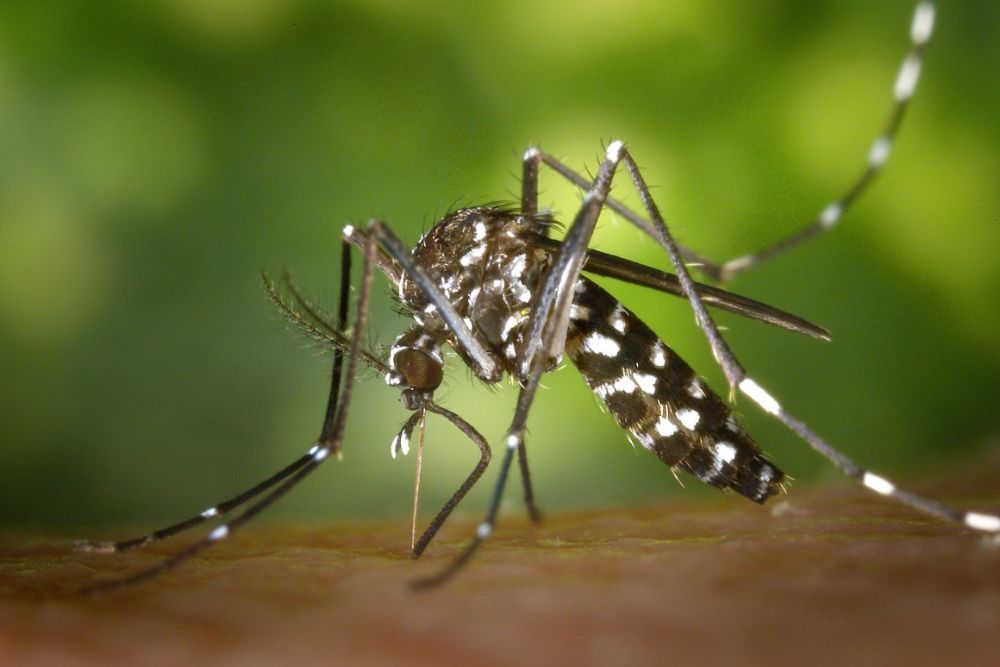
Scientists at the Chinese Academy of Sciences have developed a method to turn mosquitoes into "flying vaccines" to immunise wild animal populations, specifically bats, against deadly diseases like rabies and Nipah virus.
According to a most recent study published in Science Advances in March 2026, this research was led by Hongyue Li and co-authored by virologist Aihua Zheng at the Chinese Academy of Sciences. Their team successfully used Aedes aegypti mosquitoes to deliver vaccines for Rabies and Nipah virus to bats in laboratory and simulated field environments.
Turning mosquitoes into "flying vaccines" could have significant, though currently theoretical, impacts on the ecosystem. Because this technology involves releasing modified iTnsects into the wild, scientists and environmentalists focus on three main areas of impact:
1. Disrupting the Food Chain
Mosquitoes are a fundamental part of the global food web.
As Prey: Many animals, including birds like the House Martin, bats, fish, andt amphibians, rely on mosquito larvae and adults as a primary food source. Significant changes to mosquito populations could reduce the breeding success of these predators.y
As Pollinators: Adult mosquitoes also serve as pollinators for various plants while feeding on nectar.
2. Genetic and Population Riskst
The primary ecological concern is the unpredictable nature of releasingt genetically modified (GM) organisms.
Sterilization Side Effects: While researchers use UV irradiation to sterilize vaccine-carrying mosquitoes, if these insects were to breed with wild populations, it could lead to "genetic drift" or "gene flow".
Competitive Release: If one mosquito species is suppressed, another (potentially more dangerous) species might move into that "vacant" ecological niche.
Hybridization: In some trials, GM mosquitoes have successfully bred with local wild populations, potentially creating hybrid mosquitoes that are harder to eradicate.
3. Benefits for Wildlife Conservation
The technology isn't just about human safety; it could actively protect the ecosystem:
Conserving Endangered Species: This method could be used to immunize endangered wild animalst against diseases that are currently decimating their populations.
Reducing Pesticide Use: If successful, biological control through "flying vaccines" could reduce the need for chemical insecticides, which often have broader, more harmful effects on non-target insects and water quality.
Summary of Impact
Potential Impact: Water Quality Low; unlikely to affect water more than non-GM larvae.
Biodiversity: High risk; potential for non-target species to be affected by altered food webs.
Human Health: High benefit; prevents "spillover" of zoonotic diseases like Rabies and Nipah.
Ecosystem Services Uncertain; could disrupt pollination or nutrient transfer into the terrestrial food web.gehihh




No comments yet. Be the first to share your thoughts!