

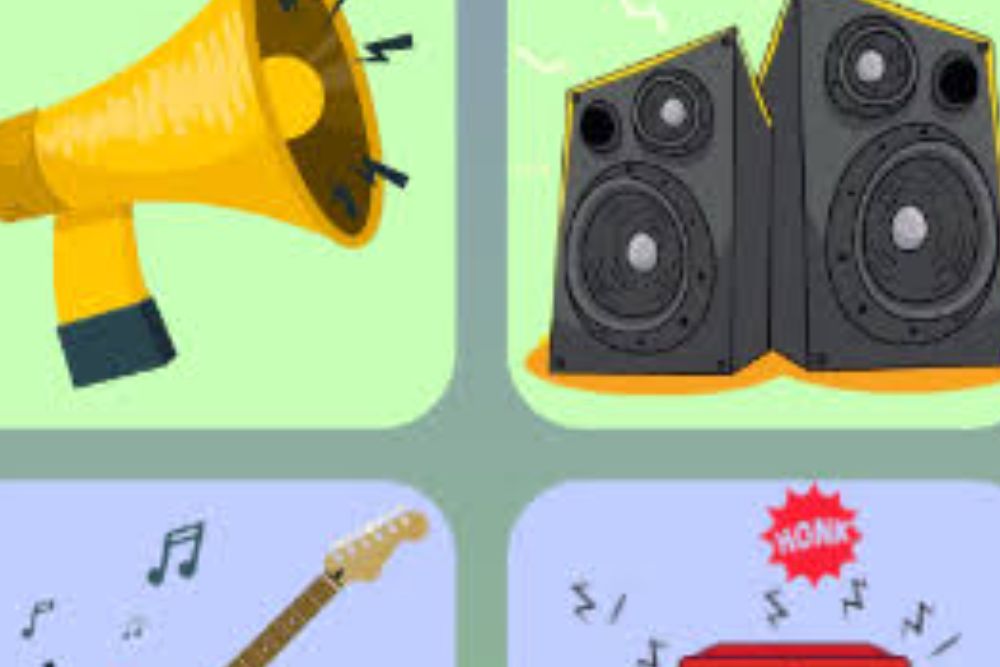
Noise pollution is a serious public health threat, not just an annoyance. It causes hearing loss, stress, sleep disruption, and psychological issues, especially for children. Stricter regulations & mindful behavior are crucial to protect well-being. It's time to address this silent danger. (249 characters)
In the hierarchy of environmental concerns, noise pollution is too often relegated to the background—an irritant rather than a threat. Yet, this assumption is dangerously misplaced. Across rapidly expanding urban centres, the relentless assault of noise has evolved into a serious public health issue that demands urgent attention.
From the blare of vehicle horns and the hum of generators to the din of construction sites and indiscriminate use of loudspeakers, the modern soundscape has become increasingly hostile. What many accept as a normal feature of city life is, in reality, a slow but steady erosion of human well-being.
The health implications are both visible and insidious. Hearing loss, once associated primarily with occupational hazards, is now a growing risk for the general population. Prolonged exposure to excessive noise damages the ear’s sensitive structures, often irreversibly. But beyond auditory harm lies a deeper, more troubling reality.
Noise pollution is a potent trigger of stress. The human body is not designed to endure constant acoustic disturbance. Elevated stress hormones, caused by persistent noise exposure, contribute to hypertension, cardiovascular diseases, and a heightened risk of stroke. In essence, what we hear—or cannot escape hearing—may be silently shortening lives.
Equally alarming is the impact on sleep. In a world already grappling with fatigue and burnout, noise-induced sleep disruption compounds the problem. Interrupted sleep cycles weaken the immune system, impair cognitive performance, and diminish productivity. A society that cannot rest properly cannot function optimally.
The psychological toll is no less severe. Chronic exposure to noise breeds irritability, anxiety, and reduced concentration. For children, the consequences are particularly troubling—impaired learning, diminished memory, and hindered academic performance. The very environments meant to nurture growth are, in many cases, undermining it.
Despite these realities, response mechanisms remain weak or poorly enforced. Regulations on noise levels, where they exist, are often ignored. Urban planning rarely prioritizes acoustic comfort, and public awareness remains limited. This complacency must end.
Governments must take the lead by enforcing stricter noise control laws, regulating industrial and commercial sound emissions, and investing in quieter infrastructure. Urban planners should integrate green buffers and zoning strategies that reduce noise exposure. At the same time, citizens must recognize their role—curbing unnecessary noise and respecting communal spaces.
Noise pollution may be invisible, but its consequences are unmistakable. It is a silent threat, steadily chipping away at public health and quality of life. Addressing it is not optional—it is imperative.




No comments yet. Be the first to share your thoughts!