

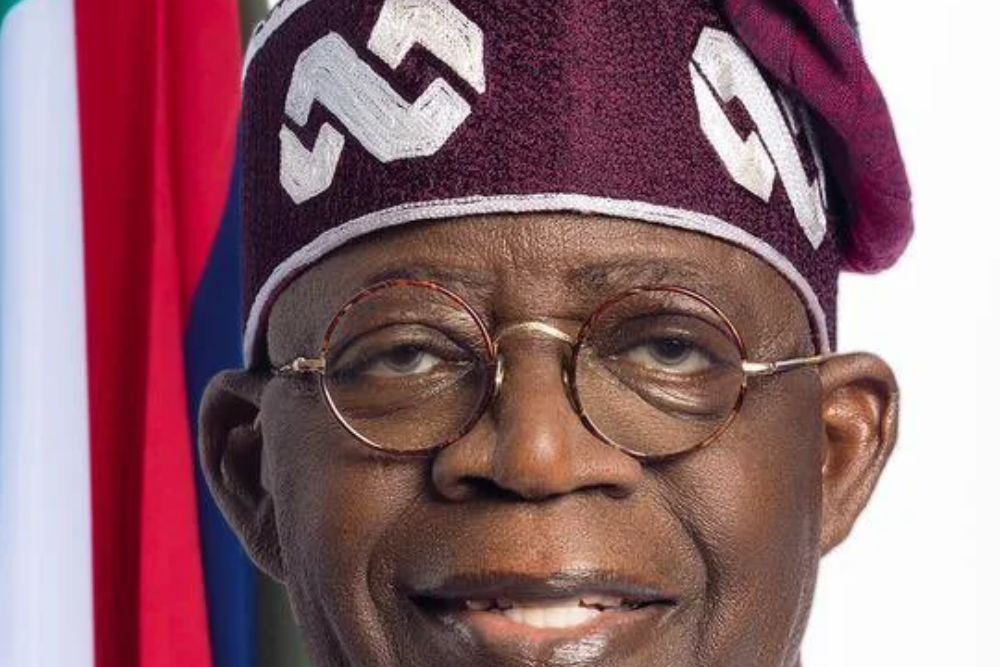
Tinubu appoints Fola Adeola to lead a Petroleum Reform Taskforce. The group will develop reforms for Nigeria's oil/gas sector, aiming for transparency & investment. Key deliverables include an implementation toolkit, liquidity plan & 10-year energy strategy. It reports directly to the President.
Tinubu Appoints Fola Adeola To Chair Petroleum Reform Taskforce
Adebayo Obajemu
President Bola Ahmed Tinubu has constituted a Presidential Petroleum Reform and Value Optimisation Taskforce to drive the next phase of structural reforms in Nigeria’s oil and gas industry.
The President appointed Fola Adeola, co-founder of Guaranty Trust Bank and founder of Fate Foundation, as chairman of the high-level taskforce.
A statement issued on Friday by the Special Adviser to the President on Information and Strategy, Bayo Onanuga, said the taskforce would function as a time-bound executive working group responsible for developing practical reform frameworks for the petroleum sector.
Other members of the taskforce include Ademola Adeyemi-Bero, Osagie Okunbor, Abubakar Suleiman, Adaeze Aguele, Farouk Gumel, Phillipa Osakwe-Okoye and Seyi Bella, while Mofoluwasho Fadayomi will serve as secretary.
According to the statement, the body will consolidate ongoing reform initiatives, mobilise investment capital within the petroleum industry and strengthen Nigeria’s competitiveness as a major global energy investment destination.
Onanuga noted that the initiative reflects the President’s determination to reposition the country’s petroleum industry into a more transparent, competitive and value-driven sector capable of supporting long-term economic growth and industrial development.
“The taskforce will operate as a technical reform body rather than a representative committee,” the statement said, explaining that it would engage industry operators, regulators, investors and civil society groups as consultees while concentrating on actionable policy design and implementation strategies.
The taskforce will report directly to the President and submit monthly progress memoranda. An interim report is expected after three months, while final recommendations are to be delivered within six months of its inauguration.
Tinubu has also mandated the body to produce three major reform blueprints.
The first is an Implementation Toolkit for Immediate Structural Fixes, which will include draft legislative amendments, executive policy instruments and proposals for institutional restructuring.
The second deliverable is the Capital and Liquidity Acceleration Blueprint, designed to unlock between $5 billion and $10 billion in sectoral liquidity while safeguarding Nigeria’s sovereign interests.
The third component is the National Energy Transformation Strategy, a 10-year roadmap that will set measurable targets for crude oil production, foreign exchange earnings, GDP contribution and cost competitiveness.
The President further directed all Ministries, Departments and Agencies, as well as regulators and other institutions in the sector, to provide technical support to the taskforce and submit details of ongoing initiatives to ensure alignment with the new reform framework.
He also instructed existing committees and working groups established under various reform programmes in the petroleum sector to harmonise their activities and reporting structures with the taskforce.
According to the presidency, the move is intended to improve coordination, eliminate duplication of responsibilities and provide clarity in the overall reform architecture of the petroleum industry.
Onanuga described the new body as “a strategic presidential instrument to accelerate petroleum sector reforms, strengthen governance structures, optimise national energy assets and position Nigeria’s petroleum resources as a platform for sustainable economic transformation.”
The taskforce will automatically dissolve after submitting its final report and upon acceptance by the President.
Adeola, a chartered accountant and entrepreneur, co-founded Guaranty Trust Bank in 1990 and served as its pioneer managing director until 2002. He later established the Fate Foundation in 2000 to promote entrepreneurship and wealth creation across Nigeria.
Nigeria’s petroleum sector has undergone several policy changes under the Tinubu administration, including the removal of petrol subsidy, the unification of foreign exchange windows and ongoing efforts to increase crude oil production from about one million barrels per day to 1.5 million barrels per day.


No comments yet. Be the first to share your thoughts!