

Nigeria lags in smart city development due to infrastructure, funding, governance, and rapid urbanization. Projects like Abia State's Enyimba Economic City aim to change this. Progress needs stronger policies & investment.
Author: Tony Francis Uso' Oraegbu
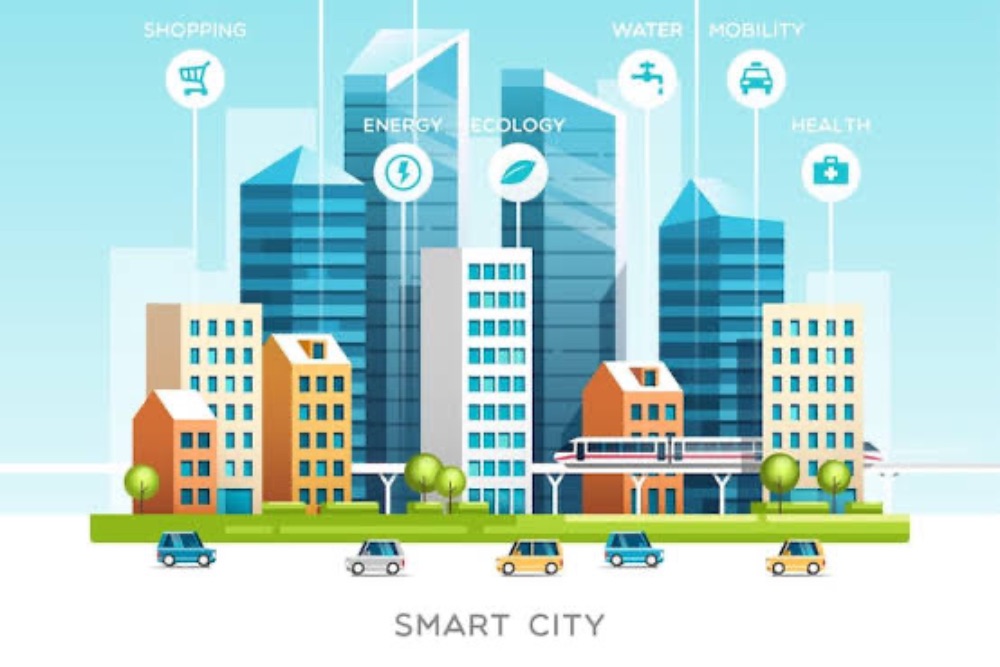
The dearth (shortage) of smart cities in Nigeria is often discussed in urban planning and development circles. A smart city uses digital technology, data systems, and modern infrastructure to improve transportation, governance, energy use, security, and quality of life. While many countries are advancing in this area, progress in Nigeria has been slower.
Below are the major reasons for the shortage of smart cities in Nigeria:
1. Inadequate Infrastructure
Many Nigerian cities struggle with basic infrastructure such as stable electricity, reliable internet connectivity, efficient transportation systems, and water supply. Smart cities depend heavily on these systems to function effectively.
For example, even major cities like Lagos, Abuja, and Ibadan still face challenges with traffic congestion, power outages, and urban planning.
2. Limited Government Funding
Developing a smart city requires massive investment in technology, urban planning, sensors, and digital governance platforms. Nigeria often prioritizes urgent economic and social issues such as healthcare, security, and unemployment.
3. Weak Urban Planning
Rapid population growth and rural-urban migration have led to unplanned urban expansion. Informal settlements and poor zoning regulations make it difficult to redesign cities using smart systems.
4. Governance and Policy Challenges
Smart city development requires long-term policies, transparency, and collaboration between government, technology companies, and urban planners. Policy inconsistency and bureaucratic delays slow down implementation.
5. Digital Divide
Access to digital tools and internet services is uneven across Nigeria. Smart city technologies depend on widespread digital literacy and connectivity.
6. Maintenance and Sustainability Issues
Even when modern projects are built, maintaining them can be difficult due to poor maintenance culture, corruption, and lack of technical expertise.
Emerging Attempts at Smart Cities
Despite these challenges, there are ongoing smart city–like initiatives in Nigeria, such as:
Eko Atlantic City in Lagos
Centenary City
Enyimba Economic City in Abia State
These projects aim to introduce smart infrastructure, modern housing, renewable energy, and digital governance systems.
Conclusion:
The lack of smart cities in Nigeria is largely due to infrastructure deficits, funding constraints, governance challenges, and rapid urbanization. However, with stronger policies, private sector investment, and technological development, Nigeria could gradually transition toward smarter urban environments.




No comments yet. Be the first to share your thoughts!