

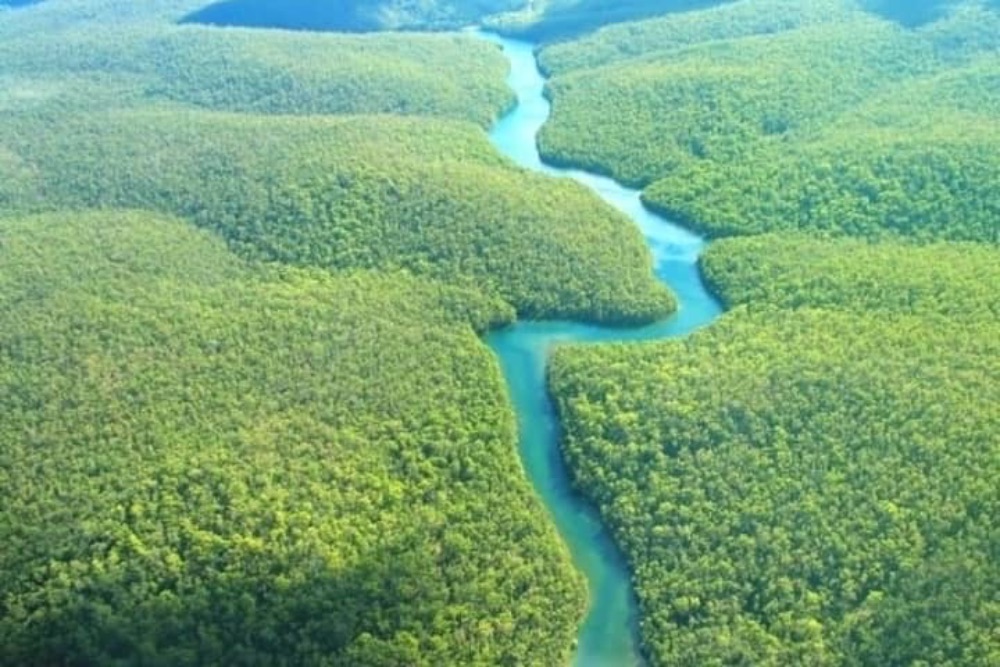
Amazon Rainforest: 2.1M sq mi across 9 South American countries. Beyond its size, it harbors incredible mysteries: pink dolphins, glowing fungi, lost civilizations, poison frogs, & boiling rivers � secrets challenging our understanding of the planet. Protecting this ecosystem is vital.
The Amazon Rainforest stretches 2.1 million square miles across nine South America countries with the majority located in Brazil, followed by Peru and Colombia. The nine countries and territories are Brazil (approx. 60%), Peru (approx. 13%), Colombia (approx. 10%), Bolivia, Ecuador, Venezuela, Guyana, Suriname, and French Guiana (an overseas territory of France).
The Amazon's true power, however, lies not in her size but in the extraordinary mysteries hidden within her.. Scientists have barely scratched the surface of what this incredible ecosystem holds. From glowing fungi that lights up the forest floor to rivers that literally boil, the Amazon continues to reveal wonders that challenge everything we think we know about our planet. This isn't just another list of cool facts about trees and animals. These are the Amazon's best-kept secrets—phenomena so remarkable that many people refuse to believe they exist until they see them with their own very eyes. Each discovery reminds us why protecting this irreplaceable ecosystem matters more than ever.
Here are just FIVE INCREDIBLE mysteries of the Amazon Forest:
1. Pink River Dolphins Navigate Ancient Waterways

Deep in the Amazon's murky rivers lives one of nature's most enchanting creatures: the boto, or Amazon river dolphin. These aren't your typical gray ocean dolphins—they're bright pink, highly intelligent mammals that have adapted to life in freshwater over millions of years. Adult botos can reach up to 8 feet long and weigh over 400 pounds. Their pink coloration becomes more vibrant with age and excitement, creating an almost mythical appearance as they surface in the tea-colored waters. Unlike their ocean cousins, these dolphins have flexible necks that allow them to navigate through flooded forests during high water seasons. Indigenous communities have revered these dolphins for centuries, often considering them sacred protectors of the rivers. Modern science has revealed they're equally remarkable—botos use echolocation so sophisticated they can distinguish between objects just millimeters apart in muddy water where visibility is nearly zero.
2. Bioluminescent Fungi Create Nature's Light Show

When darkness falls over the Amazon, an otherworldly phenomenon begins. Scattered across the forest floor, dozens of mushroom species begin to glow with an ethereal green light, transforming the jungle into nature's own nightclub. These bioluminescent fungi produce light through a chemical reaction involving luciferin and luciferase—the same compounds that make fireflies glow. Scientists believe this ghostly illumination serves multiple purposes: attracting insects that help spread spores, and possibly deterring animals that might otherwise consume the fungi. The most spectacular displays occur during the rainy season when humidity creates perfect conditions for fungal growth. Some species glow continuously for weeks, while others pulse with rhythmic patterns that researchers are still trying to understand. Walking through these illuminated sections of forest feels like stepping into an alien world.
3. Lost Civilizations Built Sophisticated Cities

Beneath the Amazon's green canopy lie the remains of advanced civilizations that thrived for thousands of years. Recent archaeological discoveries using ground-penetrating radar and satellite imagery reveal complex urban settlements, agricultural systems, and monuments that challenge long-held assumptions about pre-Columbian South America. The legendary "Lost City of Z," sought by explorer Percy Fawcett in the 1920s, may not be legend after all. Modern archaeologists have discovered evidence of large, sophisticated settlements throughout the Amazon basin. These civilizations developed advanced techniques for enriching soil, managing water systems, and creating sustainable agriculture in challenging jungle conditions. Some sites show evidence of populations reaching into the hundreds of thousands—far larger than European cities of the same period. These discoveries suggest that the Amazon wasn't an untouched wilderness before European contact, but rather a managed landscape where indigenous peoples developed remarkable technologies for thriving in harmony with the forest ecosystem.
4. Poison Dart Frogs Pack Lethal Beauty

The Amazon's poison dart frogs represent one of nature's most effective warning systems. Their brilliant colors—electric blues, vibrant oranges, shocking yellows—aren't just beautiful; they're advertisements of danger that potential predators learn to avoid. These tiny amphibians, some no larger than a paper clip, concentrate toxins in their skin that can kill animals hundreds of times their size. The golden poison frog contains enough batrachotoxin to kill 10 adult humans. Indigenous hunters have used these toxins for centuries, carefully extracting the poison to coat arrow tips for hunting. Remarkably, poison dart frogs raised in captivity lose their toxicity completely. Their poison comes from alkaloids found in specific rainforest ants and other small insects. This dietary dependency means these frogs serve as living indicators of ecosystem health—when their food sources disappear, so do they.
5. Boiling Rivers Challenge Scientific Understanding

Deep in the Peruvian Amazon flows Shanay-Timpishka, a river that literally boils. For 4 miles, this waterway maintains temperatures between 147°F and 196°F—hot enough to cook anything that falls in. Local shamans have known about this river for generations, but Western science only began studying it recently. The river exists far from any volcanic activity that could explain its extreme temperature. Current theories suggest deep geothermal springs feed the river, but the exact mechanism remains mysterious. The boiling river supports its own unique ecosystem. Heat-tolerant bacteria create colorful mats along the riverbanks, while specially adapted plants thrive in the mineral-rich steam. The surrounding forest shows distinct zonation based on distance from the thermal source, creating a natural laboratory for studying how life adapts to extreme conditions.




No comments yet. Be the first to share your thoughts!