

Nigeria boosts solar manufacturing to 300MW, aiming for a 3.7GW hub & regional leader. $425M secured for 8 plants, with exports already happening. Policy reforms & DARES program drive growth, attracting investment & attention from other African nations.
Nigeria Increases Solar Manufacturing To 300MW, Eyes 3.7GW hub
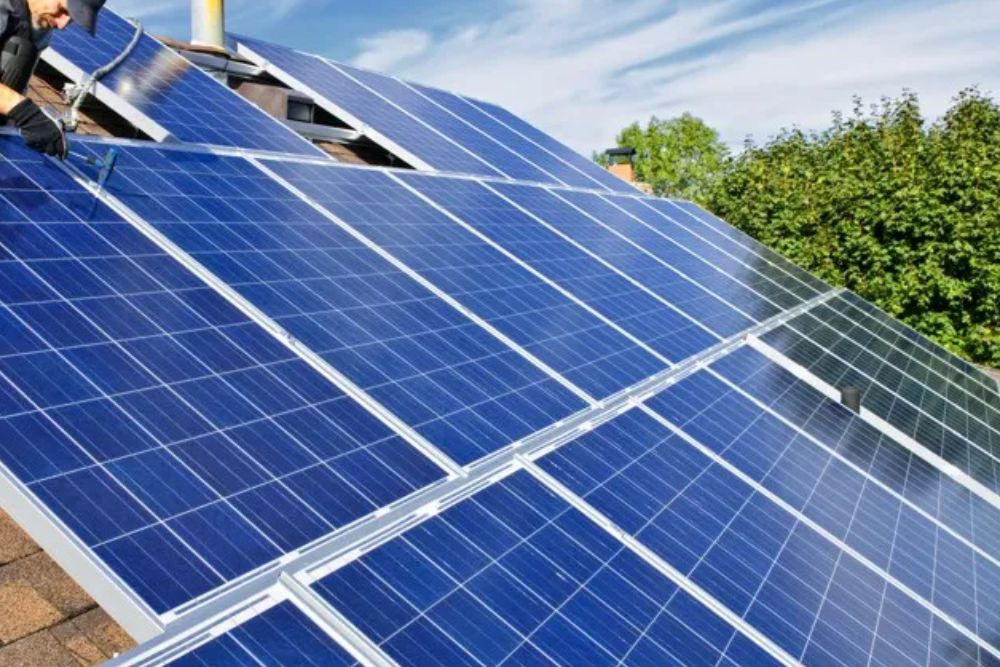
Nigeria is stepping up its clean energy industrial push, expanding local solar panel manufacturing capacity from 120 megawatts two years ago to about 300MW, while also planning an additional 3.7 gigawatts (GW) as it positions itself as a regional production hub for West Africa.
The Managing Director of the Rural Electrification Agency (REA), Dr. Abba Aliyu, disclosed this during a renewable energy webinar organised by the African Association of Energy Journalists and Publishers. He said the expansion is being driven by targeted government policies designed to attract private capital into the renewable energy value chain.
According to him, Nigeria secured about $425 million in 2025 to establish eight renewable energy manufacturing plants across the country. He added that locally assembled solar panels are already being exported from Lagos to neighbouring Ghana, signaling early signs of industrial competitiveness.
Aliyu explained that investor confidence has improved following regulatory reforms introduced by the Nigerian Electricity Regulatory Commission (NERC) under the 2026 Mini-Grid Regulations. The new framework increased allowable mini-grid capacity from 1MW to 5MW, and up to 10MW for interconnected systems, a move that opens up space for larger renewable energy projects.
He noted that the expanded capacity also strengthens the case for cross-border electricity trade, particularly in border communities, while complementing the West African Power Pool’s broader regional grid integration agenda. However, he stressed that an off-grid market structure is still essential to meet demand in underserved areas.
Nigeria’s renewable energy deployment model is now attracting attention beyond its borders. Countries such as Mozambique, Benin Republic, Burkina Faso, Niger, Chad, Mauritania and Mauritius are reportedly studying the framework for possible adoption, especially the mini-grid and decentralised energy components.
A key driver of the sector’s expansion is the Distributed Access through Renewable Energy Scale-Up (DARES) programme, described as one of the largest publicly funded renewable energy access initiatives globally. The programme targets electricity access for 17.5 million Nigerians, with plans to connect over 2.5 million households and deploy around 1,350 mini-grids, including 250 interconnected systems.
The initiative is backed by $750 million in funding and is expected to unlock an additional $1.1 billion in private investment through a results-based financing model that requires developers to commit capital upfront before reimbursement.
Aliyu also pointed to growing confidence from financial institutions, noting partnerships with Citibank Nigeria, Lotus Bank, and the International Finance Corporation as evidence that the sector is becoming more bankable and structured.
Beyond the numbers, the push signals a clear shift: Nigeria is no longer treating solar energy only as an access solution for rural electrification, but increasingly as an industrial and export opportunity. If sustained, the 3.7GW pipeline could place the country among Africa’s key solar manufacturing bases, while easing pressure on its overstretched national grid.



No comments yet. Be the first to share your thoughts!