


Nigeria launches a CCUS platform to transform industrial emissions into economic value. The initiative aims to be a regional carbon management hub, fostering collaboration & innovation for a circular economy & supporting Nigeria's 2035 climate goals. International partners will provide support.
Nigeria Unveils Carbon Capture Platform To Push Industrial Decarbonisation
Nigeria has taken a major step toward low-carbon industrial growth with the launch of a Carbon Capture, Utilisation and Storage, CCUS, platform aimed at turning emissions into economic value.
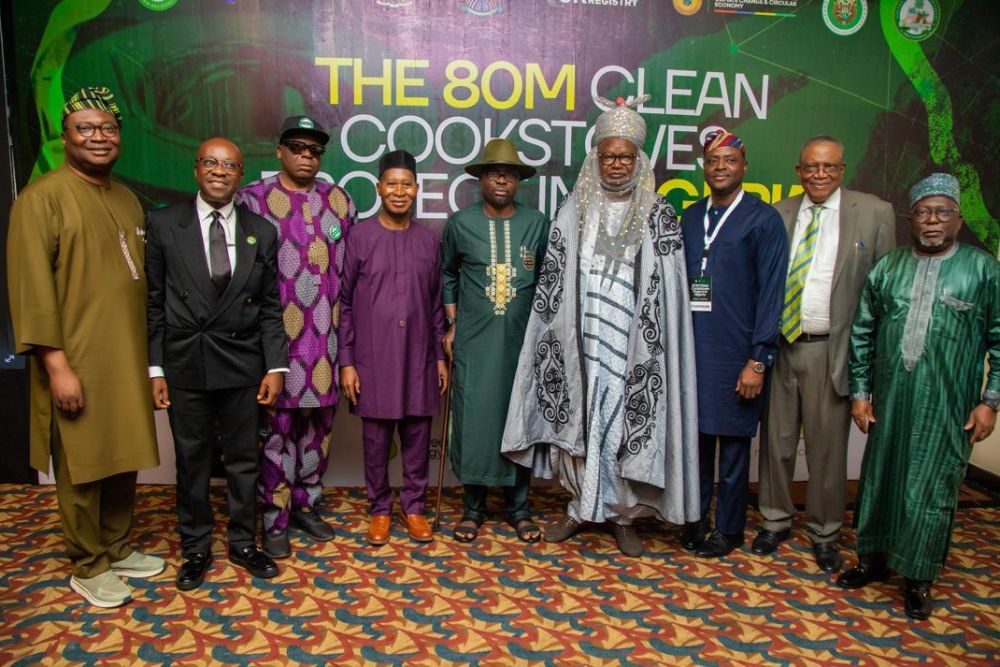
The initiative, unveiled by the National Environmental Standards and Regulations Enforcement Agency, NESREA, in collaboration with the Africa Carbon Management Technology and Innovation Centre of Excellence and the Clean Energy Ministerial Carbon Capture Utilisation and Storage Initiative, is designed to position Nigeria at the forefront of carbon management in Africa.
Director-General of NESREA, Innocent Barikor, described the platform as a strategic shift from emissions control to value creation.
“We need to reduce the carbon in the atmosphere to beneficiary levels, so carbon capture and utilization give us opportunity to capture carbon in storage and use it in other spheres for industrial purposes,” he said.
“We are building a circular economy, turning challenges into economic opportunities.”
Barikor added that the platform would integrate government, industry, academia, and investors into a single ecosystem to accelerate deployment of carbon technologies.
The CCUS model, according to stakeholders, offers commercial applications across sectors including cement manufacturing, chemicals, fuel production, agriculture, and enhanced oil recovery, opening new revenue streams within Nigeria’s energy transition pathway.
Vice-Chancellor of the University of Port Harcourt, Owunari Georgewill, said the initiative aligns with Nigeria’s long-term climate and energy goals.
“This represents a practical mechanism for coordination, innovation, and action toward Nigeria’s 2035 targets and wider energy transition aspirations,” he said.
Coordinator of ACMTI, Richard Victor Osu, noted that the goal is to position Nigeria as a regional hub for carbon management technologies.
“Our vision is to make Nigeria a leader in carbon management while contributing meaningfully to Africa’s climate commitments,” he said.
Also speaking, Juho Lipponen of the global CCUS initiative said international partners would support Nigeria in scaling deployment and financing.
“We will assist Nigeria in prioritizing CCUS, improving deployment programmes, boosting partnerships, and facilitating finance solutions,” he said.
The platform will focus on research, innovation, capacity building, and public-private partnerships, with Port Harcourt identified as a potential CCUS hub due to its strategic position in Nigeria’s oil and gas industry.



No comments yet. Be the first to share your thoughts!