

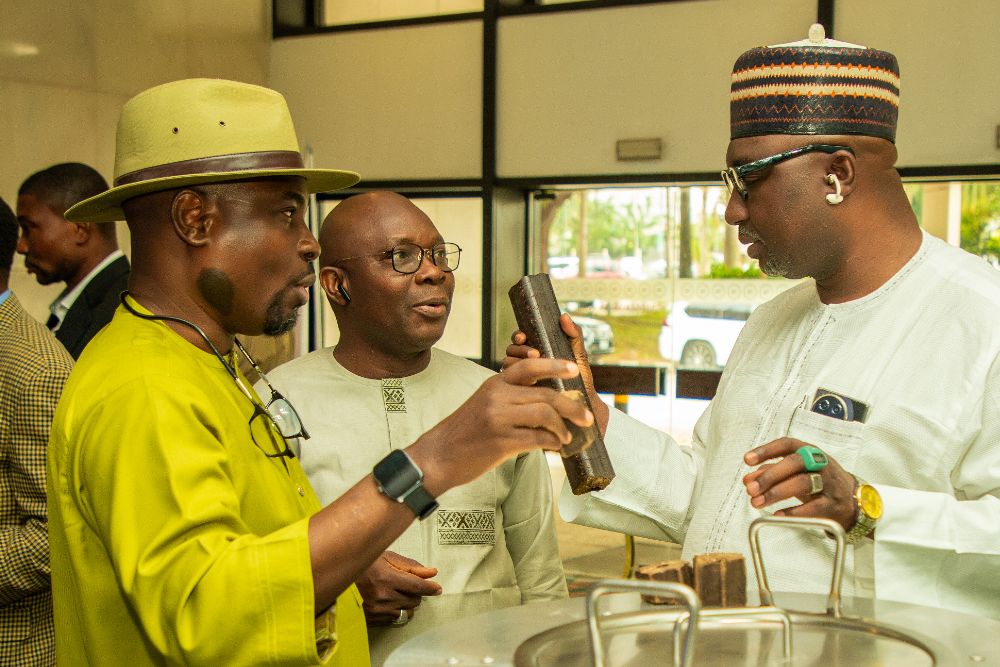
Clean cookstoves using briquettes offer a sustainable alternative to firewood/charcoal.** Briquettes (compressed organic waste) burn cleaner, reducing indoor air pollution & deforestation. They're efficient, cost-saving, & create local jobs.
Across many communities, traditional cooking methods rely on firewood or charcoal burned in open fires or inefficient stoves. While common, these methods often cause serious problems—indoor air pollution, deforestation, and high fuel costs. A new wave of innovation is changing this reality: clean cookstoves powered by briquettes. These technologies are transforming how households cook, making kitchens safer, cleaner, and more sustainable.
The Problem with Traditional Cooking
Traditional cookstoves release large amounts of smoke and harmful gases. This indoor air pollution can lead to respiratory diseases, eye irritation, and other health problems, especially for women and children who spend more time near cooking areas. In addition, heavy reliance on firewood contributes to deforestation and environmental degradation.
Another challenge is inefficiency. Many traditional stoves waste heat, meaning households must use more fuel than necessary. This increases both the cost of cooking and the time spent gathering firewood.
What Are Briquettes?
Briquettes are compact blocks of fuel made from compressed organic materials such as agricultural waste, sawdust, coconut shells, or charcoal dust. Instead of letting these materials go to waste, they are recycled into a clean-burning energy source.
Key benefits of briquettes include:
Waste recycling: They convert agricultural residues into useful fuel.
Environmental protection: Reduced demand for firewood helps protect forests.
Efficient burning: Briquettes burn longer and more consistently than loose biomass.
Cost savings: They can be cheaper than charcoal or firewood.
Clean Cookstoves: A Better Way to Cook
Clean cookstoves are specially designed to burn briquettes more efficiently. Their improved airflow and insulation allow fuel to burn completely, producing less smoke and more heat.
Advantages of clean cookstoves include:
Reduced smoke and indoor pollution
Higher fuel efficiency (less fuel needed)
Faster cooking times
Safer kitchens with less soot and ash
These stoves can be used for everyday cooking tasks such as boiling water, frying, or preparing traditional meals.
Social and Economic Impact
The shift to briquette-powered cookstoves also creates new economic opportunities.
Local entrepreneurs can produce and sell briquettes using agricultural waste, generating income while solving environmental problems.
Communities benefit in several ways:
Job creation in briquette production
Reduced household spending on cooking fuel
Improved public health
Cleaner and more sustainable energy use
Toward a Cleaner Cooking Future
The adoption of clean cookstoves fueled by briquettes represents a powerful step toward sustainable cooking. By combining innovation, waste recycling, and efficient energy use, these solutions improve health, protect the environment, and support local economies.
With increased awareness, investment, and community participation, briquette cookstoves could play a major role in creating safer kitchens and a greener future.
What is Briquettes
Briquettes are small blocks of compressed material used as fuel. They are designed to burn for a long time and produce steady heat, often used for cooking, heating, or industrial energy.
What Briquettes Are Made From
Briquettes are usually made by compressing biomass or other combustible materials, such as:
Sawdust
Wood chips
Agricultural waste (rice husks, coconut shells, corn cobs)
Charcoal dust
Paper waste
These materials are pressed together under high pressure to form solid blocks.
Types of Briquettes
Charcoal briquettes – Common for barbecues and cooking.
Biomass briquettes – Made from plant waste and used as eco-friendly fuel.
Coal briquettes – Made from coal dust and used in heating or industry.
Why People Use Briquettes
Eco-friendly – often made from recycled waste materials
Long burning – burn longer than loose charcoal or wood
Cost-effective – cheaper fuel in many places
Less smoke (depending on type)
Example
Many households use charcoal briquettes instead of firewood for cooking because they are cleaner and more efficient.
In many African countries (including Nigeria), biomass briquettes made from agricultural waste are becoming popular as a sustainable alternative to charcoal and firewood.
How briquettes are made
Briquettes are compact fuel blocks made by compressing loose biomass or other combustible materials. They’re widely used as an alternative to firewood or charcoal for cooking and heating. The basic idea is compressing powdered or shredded material into dense blocks so they burn longer and more efficiently.
1. Raw Materials Used
Common materials for briquettes include:
Sawdust
Rice husks
Coconut shells
Groundnut shells
Corn cobs
Charcoal dust
Paper or agricultural waste
These materials are usually dry and finely ground before processing.
2. Carbonization (for charcoal briquettes)
If making charcoal briquettes, the raw biomass is first burned in limited oxygen to produce charcoal.
This process is called carbonization.
It converts biomass into charcoal while keeping most of the carbon.
3. Crushing and Grinding
The charcoal or biomass is crushed into fine powder so it can bind well during compression.
Machines or simple grinders can be used.
4. Adding a Binder
A binder helps the briquettes hold together.
Common binders include:
Starch (cassava or corn starch)
Clay
Molasses
Paper pulp
Usually the binder is mixed with water and added to the powder to form a thick paste.
5. Briquette Pressing
The mixture is then pressed into shapes using:
Manual briquette molds
Lever presses
Hydraulic presses
Briquette machines
Common shapes:
Cylindrical
Pillow-shaped
Square blocks
Compression makes the briquettes dense and long-burning.
6. Drying
Fresh briquettes contain moisture and must be dried in the sun or a drying oven.
Drying can take:
1–3 days in the sun
A few hours in industrial dryers
Once dry, they become hard and ready for use.
7. Packaging and Use
After drying, briquettes are:
Packed in bags
Sold as cooking or heating fuel
They burn longer, cleaner, and produce less smoke than raw wood.



No comments yet. Be the first to share your thoughts!