

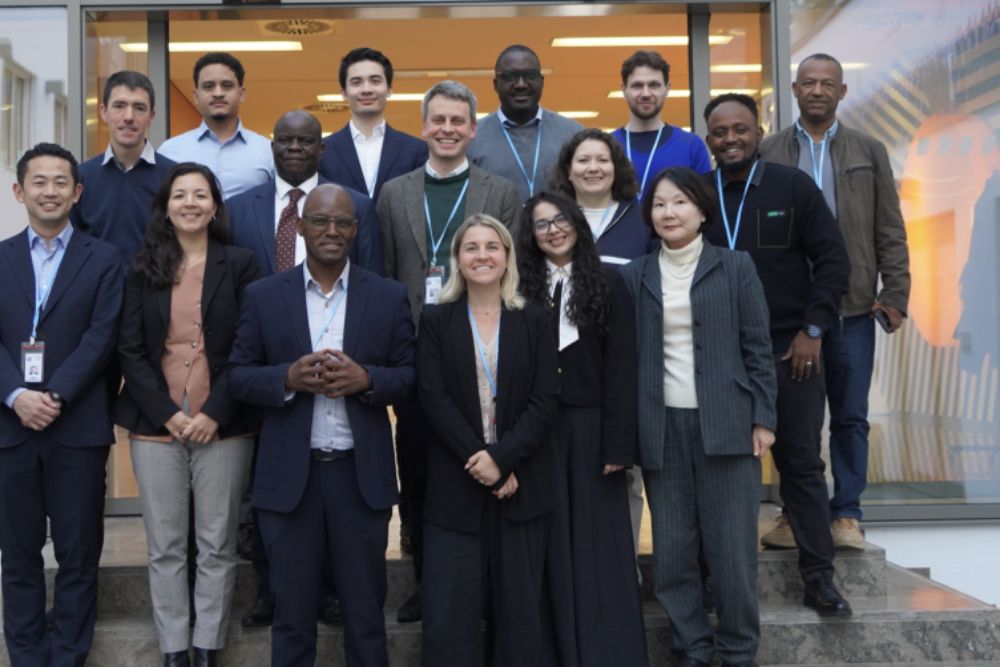
UN body advances plan for Paris Agreement's Article 6.4 carbon market. Aims for high-quality credits via the Supervisory Body, composed of 12 member states. Next meeting: May 18-21, 2026. Experts work on methodologies & market readiness.
Efforts to implement the Paris Agreement’s new carbon
market gathered pace at a meeting in Bonn, Germany from 16th to 20th February 2026 as the UN Body of the Article 6.4 Mechanism supervising
the work agreed on an accelerated plan
to deliver high-quality carbon credits.
The Article
6.4 Mechanism is also known as the Paris
Agreement Crediting Mechanism. The Supervisory Body is “tasked with
developing and supervising the requirements and processes needed to
operationalize the mechanism. This includes developing and/or approving
methodologies, registering activities, accrediting third-party verification
bodies, and managing the Article 6.4 Registry.”
The Supervisory Body is fully accountable to the Parties to the
Paris Agreement
Membership
The Supervisory Body is composed of 12 members from Parties to
the Paris Agreement.
To ensure broad and equitable geographical representation,
and striving to ensure gender-balanced representation, members are selected
along the following criteria:
(a) Two members from each of the five United Nations
regional groups;
(b) One member from the least developed countries;
(c) One member from small island developing States.
Members and alternate
members serve in their individual expert capacity.
Current membership
The term of service of the incoming members/alternate members
starts as of the first meeting of the Body in 2026. The Supervisory Body
elected Mr. Mkhuthazi Steleki of South Africa and Ms. Jacqui Ruesga of New
Zealand to serve as Chair and Vice-Chair respectively until the first meeting
of the Body in 2027.
Members 2026 Alternate
1.
Mr. Michel Ardohain b
Mr.
Dexter Lee b
2.
Ms. Khalida Bashir a, 1 Mr. Kentaro Takahashi a
3.
Mr. Eduardo Calvo a Mr. German Obando Vargas a
4.
Mr. Piotr Dombrowicki a, 2 Mr. Imre Bányász a, 2
5.
Mr. Gebru Jember Endalew a Mr.
Olivier Ishimwe a
6.
Ms. Olga Gassan-zade b, 3, 4 Vacant
b
7.
Ms. Eunhae Jeong b, 5 Mr. Mohammed AlNahas b, 6
8.
Mr. Richard Muyungi b Ms. Mominata Elola Compaore b
9.
Mr. Shao Hua Ng b Mr. Sumeet Betancourtb
10.
Ms. Marina Moreira Costa Pittellab Ms.
Adriana Gutierrezb
11.
Ms. Jacqui Ruesga a (Vice-Chair) Mr.
Simon Fellermeyer a
12.
Mr. Mkhuthazi Steleki a
(Chair) Mr. Alick Muvundika a
Now moving beyond rule?setting, the Body is focusing on
implementation, prioritizing key sectors and speeding up the
technical work needed to activate the market.
The work plan agreed this
week focused on stepping up the development
of methodologies - the technical foundations that ensure
emission reductions are real, measurable and
verified - for use under the UN?supervised Paris Agreement Crediting Mechanism (PACM).
Work will be steered toward sectors with the strongest
demand, the highest readiness, and the biggest
potential impact.
“This year is
about delivery,” said newly elected Supervisory Body
Chair Mkhuthazi Steleki. “It is a privilege to step into this role as implementation
begins, and I am eager to help guide the Body’s work. We have set a
clear course to focus on priority
sectors and finalize robust methodologies so that the
mechanism delivers high-quality emission reductions that
countries and the private sector can rely on, with the predictability
and confidence they need. We will move faster, without compromising
integrity.”
The Body signed off on a new tool
to measure emissions from electricity generation and consumption, along
with a tool used to estimate the technical lifetime
of equipment used by PACM activities.
“The tools adopted at this meeting show that
the mechanism is becoming operational,” said new Vice-Chair Jacqui
Ruesga. “I’m excited to take on this role and help drive the next phase of
work, as we focus on delivering practical, high-quality methodologies that
can channel investment where it is needed most. We look forward to working with
Parties and stakeholders to scale up ambition while upholding the highest
standards of transparency and environmental integrity.”
Other outcomes
The Supervisory Body also advanced a range of
technical and procedural issues, including:
·
Consideration of recommendations from its expert panels,
including updates on accreditation and methodology work.
·
Adoption of revised procedures for transitioning
Clean Development Mechanism activities, following the CMA’s
extension of the transition deadline to 30 June 2026.
·
Progress on the development of a voluntary
cancellation platform for the mechanism registry.
·
Accreditation decisions for several designated operational entities,
strengthening the system’s capacity for validation and verification.
These steps support the continued operationalization of
the Paris Agreement Crediting Mechanism.
New chairs elected
At the meeting, the Supervisory Body elected Mr. Mkhuthazi Steleki of
South Africa as Chair and Ms. Jacqui Ruesga of New?Zealand as Vice?Chair for
the year.
The Body also elected Ms. Adriana
Gutierrez of Colombia and Mr. Simon Fellermeyer of
Switzerland to serve as co-chairs of the Methodological Expert
Panel. Ms. Mominata Elola Compaore of Burkina
Faso and Mr. Dexter Lee of the United
Kingdom were elected as co-chairs of the Accreditation Expert
Panel.
Next steps
The Supervisory Body will next meet 18-21 May 2026 to
continue advancing work on methodologies, governance procedures and
market readiness.
In the meantime, its expert panels will meet
to progress technical work, including the Methodological Expert Panel and the Accreditation Expert Panel.
(Credit: https://unfccc.int/news, )



No comments yet. Be the first to share your thoughts!