

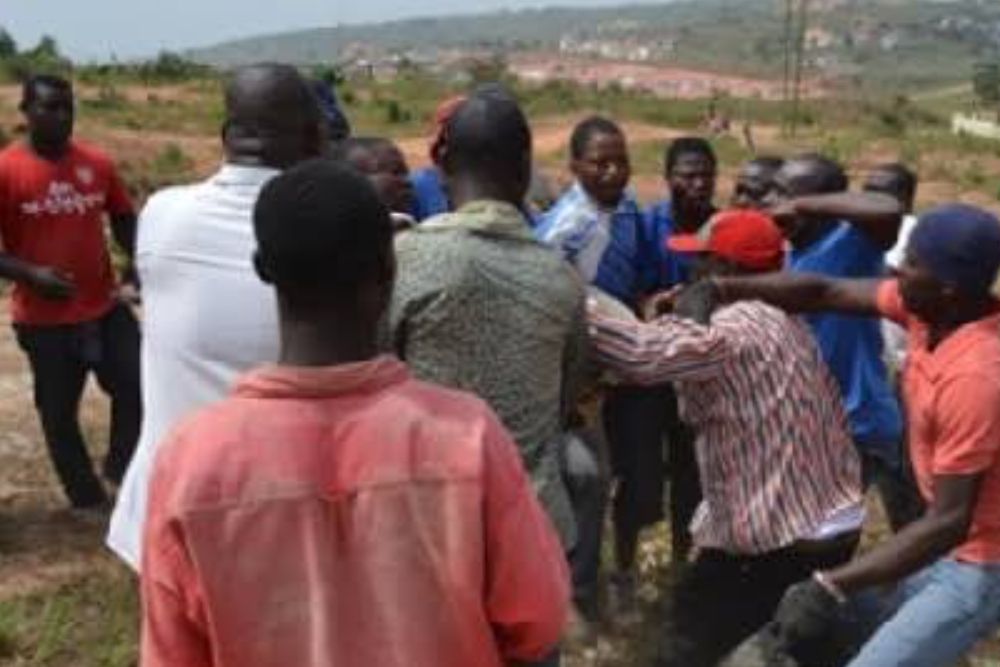
Land grabbing in Delta State threatens the economy. Communities lose ancestral lands to powerful interests, harming agriculture, fueling poverty & inequality, and causing social unrest. Reform is needed: protect land rights, ensure fair compensation, and prioritize inclusive development. Delta's future hinges on equitable land management. (239 chars)
Land Grabbing in Delta State: A Silent Assault on the Economy
In a state richly endowed with oil wealth and vast agricultural potential, a dangerous contradiction is unfolding. Across communities in Delta State, land—the most fundamental economic asset—is increasingly slipping out of the hands of those who depend on it most. What is often dismissed as isolated disputes over ownership is, in truth, a creeping crisis of land grabbing with far-reaching consequences for the state’s economy.
At its core, land grabbing represents a distortion of justice and economics. When ancestral lands are transferred—sometimes forcefully, sometimes through opaque agreements—from rural communities to powerful individuals or corporate interests, the immediate victims are farmers. But the broader casualty is the economy itself. Agriculture, long regarded as a pathway to diversification in Nigeria, is weakened when those who cultivate the land are displaced. The result is declining food production, rising prices, and an unhealthy dependence on external food supplies.
The implications extend beyond the farm. Land dispossession fuels poverty and deepens inequality. Families that once relied on farming for survival are reduced to low-wage laborers, often working on the very lands they once owned. This transition from ownership to dependency erodes dignity, weakens local enterprise, and concentrates wealth in the hands of a few. An economy cannot thrive where prosperity is so unevenly distributed.
Equally troubling is the social tension that accompanies land grabbing. Across the Niger Delta, land disputes have historically ignited protests, youth unrest, and, at times, violent conflict. In Delta State, the pattern is no different. When communities feel excluded from decisions about their own land, trust in leadership collapses, and instability follows. For investors, this creates an uncertain environment; for government, it raises the cost of maintaining order; and for citizens, it undermines peace and productivity.
There is also a growing concern about the nature of development replacing these lands. In many cases, fertile farmland is converted into speculative real estate or exclusive estates that generate limited employment and little value for the displaced population. This is not development in any meaningful sense—it is displacement disguised as progress. True economic growth must be inclusive, productive, and sustainable, not extractive.
The persistence of land grabbing in Delta State points to deeper institutional failures. Weak enforcement of land rights, lack of transparency in land transactions, and the undue influence of powerful actors have combined to create a system where the vulnerable are easily dispossessed. Without reform, these weaknesses will continue to undermine both governance and economic confidence.
The way forward is neither complicated nor unattainable. It requires political will. Communities must be given a decisive voice in land transactions that affect them. Land rights must be clearly defined and vigorously protected. Compensation, where land is acquired for legitimate development, must be fair, transparent, and timely. Above all, development must be structured in a way that ensures local populations are not mere spectators but beneficiaries.
Delta State stands at a crossroads. It can continue down a path where land grabbing erodes its agricultural base, deepens inequality, and fuels instability. Or it can choose a more equitable model of growth—one that recognizes land not just as a commodity, but as a shared heritage and a cornerstone of economic sustainability.
The choice, and its consequences, will define the state’s future.



No comments yet. Be the first to share your thoughts!