

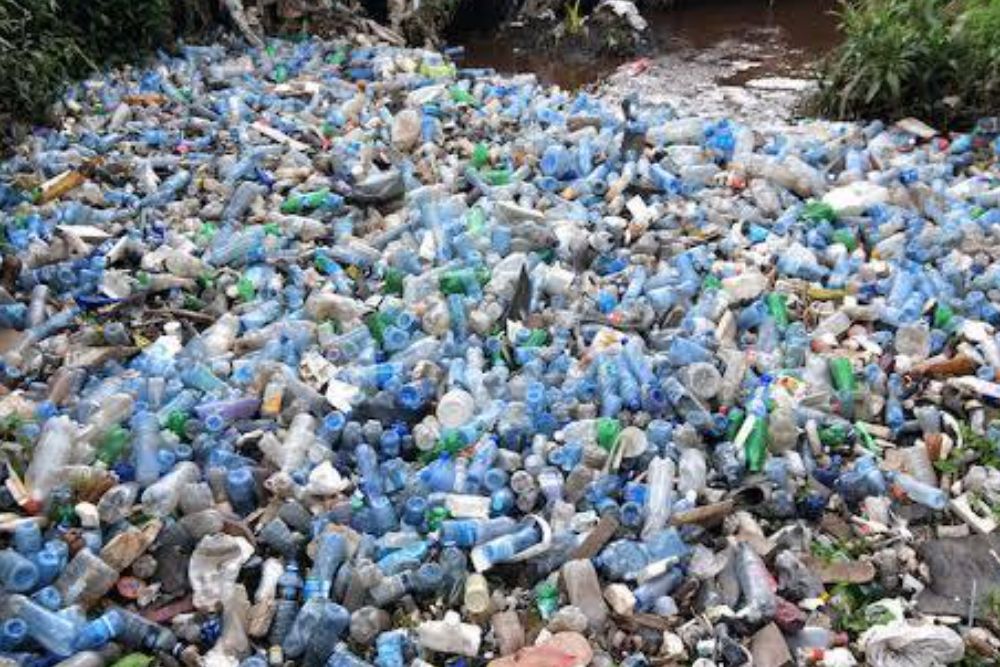
GCIEP projects $1.5B annual revenue from Nigeria's plastic recycling sector, a $10B market opportunity. A Lagos event focused on unlocking growth through collaboration, addressing challenges like financing & infrastructure. Key actions: stronger EPR enforcement. #recycling #Nigeria #waste management
GCIEP Projects $1.5b Annual Revenue From Plastic Recycling
Adebayo Obajemu
Nigeria’s growing plastic recycling subsector of the green economy alone represents stands at a $10 billion market opportunity with gargantuan potential for further growth, if properly developed, the Green Cities, Infrastructure and Energy Programme (GCIEP) has projected.
This huge opportunity was the focus of a recent Green Cities, Infrastructure and Energy Programme (GCIEP) event held in Lagos.
In a statement made available yesterday, stakeholders in Lagos’ waste-to-value ecosystem gathered to rub minds on the sector’s opportunities and the way forward to unlocking them through stronger collaboration.
The waste-to-value study, the statement said, was commissioned by the UK Department for Business and Trade and delivered under the Green Cities, Infrastructure and Energy Programme (GCIEP).
The initiative encourages extensive engagement with stakeholders in Nigeria and the UK to assess key market opportunities, gauge international investor interest, and identify the main barriers to investment in the sector.
Energy and Technology Trade Adviser at the UK Department for Business and Trade, Oluwatosin Adenuga, opened the session by saying that the waste?to?value study builds on the significant work already underway in Lagos to strengthen waste management systems and attract private investment.
He noted that the UK supported the initiative to help address practical barriers preventing viable projects from reaching financial close.
He concluded by stressing that the session was about sharing evidence, strengthening partnerships, and enabling Lagos?led action.
In his remarks, the Executive Director (Finance) of the Lagos State Waste Management Authority (LAWMA), Dr Adekunle Adebiyi, noted that the government was aware of the operational challenges faced by waste collection operators and was actively exploring ways to provide targeted support.
Responding to comments raised during the discussion on tariff structures, Dr Adebiyi also referenced ongoing reform efforts by the Lagos State Government aimed at strengthening the sector and improving its long-term sustainability.
The Chairman of the Association of Waste Managers of Nigeria (AWAMN), Dr Olugbenga Adebola, identified several key challenges constraining the sector’s performance, including the absence of source separation, infrastructure deficits, limited access to suitable financing, and outdated tariff structures.
The project Team Lead, Mr Benneth Obinna Obasiohia, explained that the assessment examined barriers affecting waste-to-value investment across four focus states: Lagos, Ogun, Kano and Abia.
Across the four states, he said, there was abundant waste supply, growing policy interest, and increasing demand for waste processing solutions.
The report highlighted actions that could unlock greater investment in Nigeria’s waste-to-value sector. These include strengthening enforcement of EPR frameworks, particularly for plastics, e-waste and paper, to create predictable revenue streams for recycling businesses.



No comments yet. Be the first to share your thoughts!