

Nigeria's mangroves, vital for biodiversity & climate, thrive in the Niger Delta (Rivers, Bayelsa, Delta states). Oil exploration has damaged them. Conservation efforts include community projects, government policies, & international aid, like Ogoniland cleanup.
Nigeria’s mangrove regions form one of the largest mangrove ecosystems in Africa and are mainly found along the Niger Delta and coastal areas of southern Nigeria. These wetlands are extremely important for biodiversity, climate regulation, and the livelihoods of coastal communities.
1. Location of Mangrove Regions in Nigeria
Mangroves occur along Nigeria’s Atlantic coastline, especially within the Niger Delta. Key states with large mangrove forests include:
Rivers State
Bayelsa State
Delta State
Akwa Ibom State
Cross River State
Parts of Ondo State and Lagos State
Nigeria has about 10,000 km² of mangrove forests, making it the largest mangrove area in Africa and among the largest in the world.
2. Characteristics of Nigeria’s Mangroves
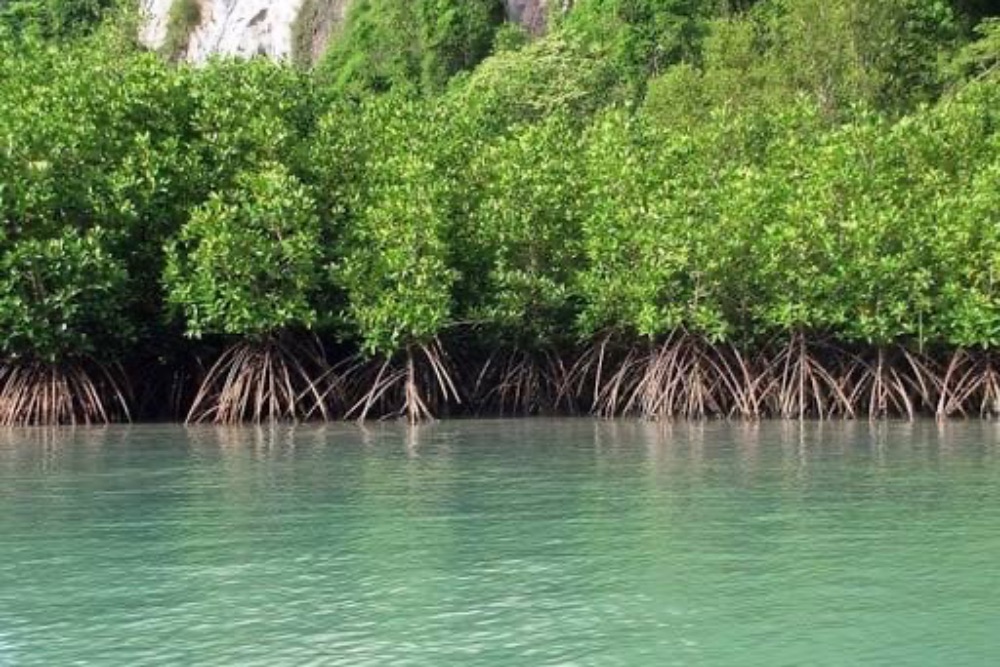
Mangrove forests grow in salty, swampy coastal waters and river estuaries. They consist of salt-tolerant trees such as:
Red mangrove
White mangrove
Black mangrove
Their roots grow above water, forming dense networks that protect the coastline.
3. Ecological Importance
Mangrove ecosystems in Nigeria play several vital roles:
Climate Change Mitigation
Mangroves store large amounts of carbon (known as blue carbon), helping reduce greenhouse gases.
Coastal Protection
They protect coastal communities from erosion, flooding, and storm surges.
Biodiversity
Mangroves provide habitat for:
Fish
Crabs
Shrimps
Birds
Reptiles
Many marine species begin their life cycles in mangrove nurseries.
Livelihood Support
Millions of people in the Niger Delta depend on mangroves for:
Fishing
Fuelwood
Local medicine
Building materials
4. Major Threats
Nigeria’s mangrove forests face serious challenges:
Oil spills and gas flaring
Deforestation for fuelwood
Urban development
Pollution
Climate change and sea-level rise
Oil exploration in the Niger Delta has destroyed large areas of mangrove habitat.
5. Conservation Efforts
Several initiatives are ongoing to protect and restore mangroves, including:
Community-based restoration projects
Government environmental policies
International support for ecosystem recovery
The cleanup of polluted mangroves in Ogoniland following the recommendations of the United Nations Environment Programme is one major restoration effort.




No comments yet. Be the first to share your thoughts!