

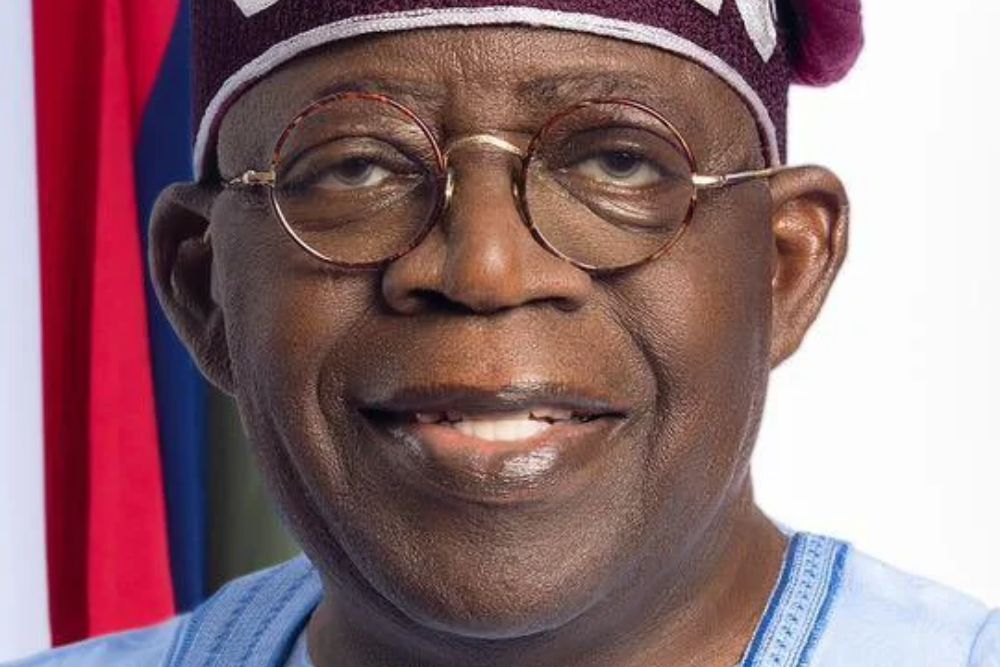
Tinubu approved $2B ($3.3 trillion naira) to settle Nigeria's power sector debts (Feb 2015-Mar 2025). This aims to improve electricity supply by stabilizing finances & ensuring payments to gas suppliers & power plants. Phase 2 planned soon. #Nigeria #PowerSupply
Tinubu Okays $2bn Power Debt Deal To Improve Electricity Supply
President Bola Tinubu has approved a 3.3 trillion naira ($2 billion) payment plan to settle long-standing debts in Nigeria’s power sector, a move aimed at boosting electricity supply across the country.
The presidency said the settlement covers legacy debts accumulated between February 2015 and March 2025 under the Presidential Power Sector Financial Reforms Programme, following a verification process that established the total obligation.
According to a statement issued by presidential spokesman Bayo Onanuga, the 3.3 trillion naira figure represents a full and final settlement intended to restore financial stability within the sector.
Implementation has commenced, with 15 power generation companies signing agreements worth 2.3 trillion naira. The federal government has raised 501 billion naira to fund the process, with 223 billion naira already disbursed and further payments ongoing.
Officials said clearing the debts would improve liquidity across the electricity value chain, ensuring that gas suppliers are paid and power plants are able to sustain operations — key factors expected to translate into increased and more reliable electricity supply.
“This programme is not just about settling legacy debts. It is about restoring confidence across the power sector — ensuring gas suppliers are paid, power plants can keep running, and the system begins to work more reliably,” said Olu Arowolo-Verheijen, special adviser to the president on energy.
The government said improved funding for generation companies would help stabilise output, addressing one of the longstanding constraints behind Nigeria’s inconsistent power supply.
The intervention also forms part of wider reforms in the sector, including efforts to expand metering and implement service-based tariffs linked to the quality of electricity delivered.
Nigeria has struggled for years with inadequate electricity supply due to funding shortfalls, infrastructure challenges and liquidity issues within the power market.
Authorities said a second phase of the programme is expected to begin later this quarter, as the government seeks to strengthen the sector and deliver more reliable electricity to homes and businesses.


No comments yet. Be the first to share your thoughts!