

Failed to generate excerpt.
Mokola, Waste Disposal and the Lessons of the Ogunpa Flood
Residents of Mokola in Ibadan must begin to reflect seriously on a dangerous habit that continues to threaten lives and property—the indiscriminate dumping of refuse into drainages and waterways. What many people treat as a convenient way of disposing household waste is, in reality, a ticking environmental time bomb.
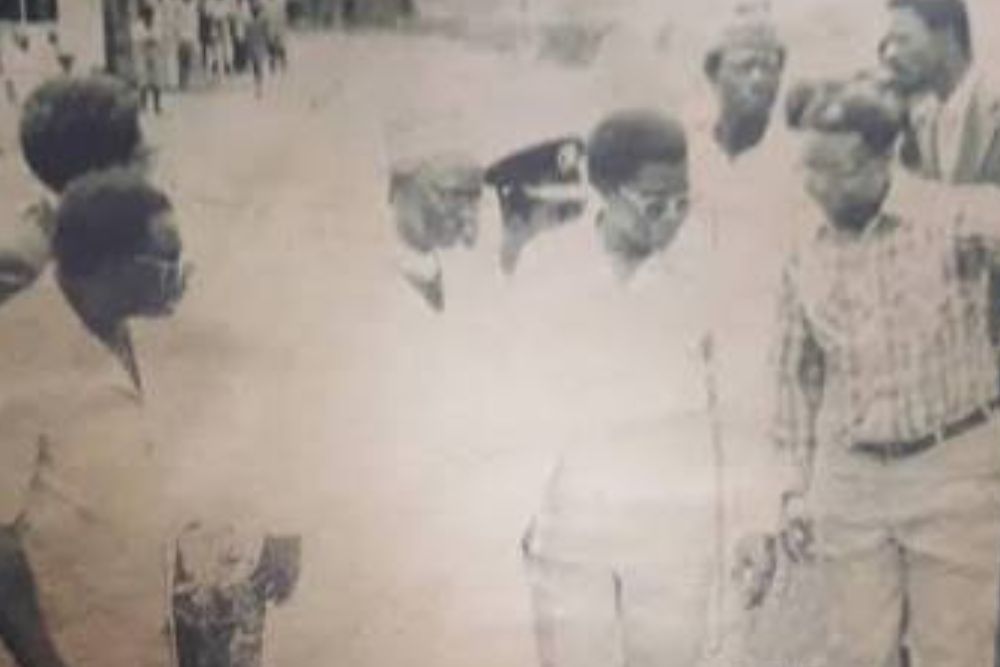
The memory of the devastating should remain a permanent reminder of the consequences of neglecting our environment. The disaster, which occurred in the early 1980s in , particularly along the , claimed many lives and destroyed homes, markets, and public infrastructure. Entire neighborhoods were submerged after heavy rains overwhelmed blocked waterways.
Mokola, one of the busiest commercial and residential areas in Ibadan, sits dangerously close to the Ogunpa channel. When drains are filled with nylon bags, food waste, plastics, and other refuse, the natural flow of rainwater is obstructed. During heavy rainfall, these blocked drains quickly overflow, pushing water back into streets, homes, and shops.
Unfortunately, many residents and traders continue to throw waste into gutters, believing the rains will simply carry it away. What actually happens is the opposite: the waste accumulates at narrow points of the drainage system, forming artificial dams that trap stormwater. When the pressure becomes too great, flooding becomes inevitable.
The tragedy of the Ogunpa disaster was not caused by rainfall alone. Human negligence played a significant role. Poor waste management, unregulated construction along waterways, and the blocking of natural drainage paths turned what could have been a manageable storm into a catastrophic flood.
More than four decades later, the same risky behaviors persist. Markets, roadside vendors, and households in Mokola still treat drainages as dumping sites. This habit not only increases the risk of flooding but also creates serious public health problems. Stagnant water mixed with decomposing waste becomes a breeding ground for mosquitoes and bacteria, contributing to diseases such as malaria, cholera, and typhoid.
Government authorities, particularly the and the , must intensify environmental enforcement and public education. Drainages should be regularly cleared, waste collection systems strengthened, and offenders penalized where necessary. However, government action alone cannot solve the problem.
Community responsibility is equally important. Residents, traders, and transport operators in Mokola must recognize that environmental safety begins with individual behavior. Waste should be properly bagged and disposed of through designated collection systems rather than dumped into gutters.
The lesson from the Ogunpa flood is clear: when waterways are treated as refuse dumps, nature eventually pushes back. Mokola and other parts of Ibadan cannot afford to wait for another disaster before taking action.
Protecting the drainage system is not merely about sanitation—it is about protecting lives, livelihoods, and the future of the city.



No comments yet. Be the first to share your thoughts!