

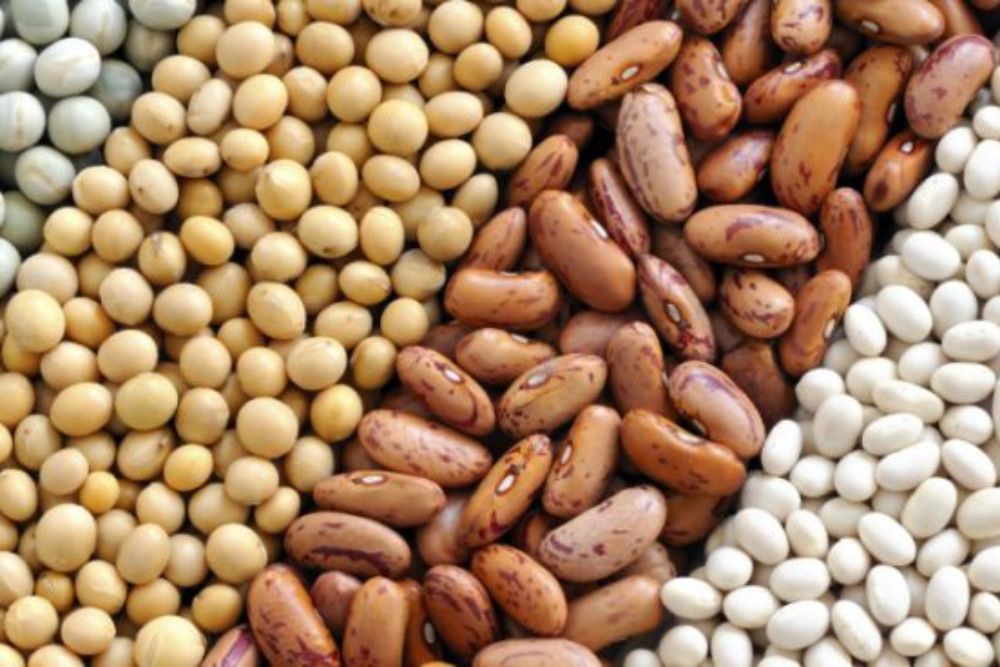
Genetically modified organism (GMO) foods are engineered for traits like pest resistance or herbicide tolerance. Common GMO foods include corn, soybeans, cotton, canola, alfalfa, sugar beets, papayas, and summer squash. While major health organizations consider them safe, potential health concerns include allergic reactions, antibiotic resistance, and unknown long-term effects on organ systems.
Common GMO Foods
Corn: Bt corn (insect-resistant) and herbicide-tolerant corn.
Soybeans: Primarily modified for herbicide resistance.
Cotton: Used for oil and cotton seed meal.
Canola: Modified for herbicide tolerance.
Sugar Beets: Engineered to withstand herbicides.
Alfalfa: Modified for herbicide tolerance.
Papayas: Resistant to the ringspot virus.
Summer Squash/Zucchini: Resistant to certain viruses.
Potatoes (certain varieties): Lower acrylamide and bruise resistance.
Healthline
Potential Health Effects & Concerns Allergenicity: There is a concern that genetic engineering can introduce allergens from one food into another, such as when a protein from a Brazil nut was added to soybeans.
Antibiotic Resistance: Some GMO crops use antibiotic-resistant marker genes, raising fears that eating them could decrease the effectiveness of antibiotics in the body.
Toxicity and Organ Damage: Some animal studies have linked certain GMO foods to organ damage, specifically in the kidneys, liver, and pancreas, as well as reproductive issues.
Herbicide Residues: GMOs designed for herbicide tolerance, such as those resistant to glyphosate (Roundup), may lead to higher residues of these chemicals in the food supply.
Nutritional Changes: While many GMOs are "substantially equivalent" to conventional foods, there are concerns that some may have altered nutritional value.
Regulatory Stance
The FDA, EPA, and World Health Organization (WHO) maintain that GMO foods currently on the market are safe for human consumption and do not present greater risks than conventional foods, though they advise continued research.
Divergent Views
Holding a fierce divergent View is the Executive director of Centre for Food Safety and Agricultural Research (CEFSAR), Prof. Qrisstuberg Amua, who insisted that evidence suggested a correlation between the rise in GMOs (and glyphosate use) with an increase in specific health problems since the 1990s in the United States.
According to Amua, conditions such as gastrointestinal disorders, obesity, diabetes, heart disease, depression, autism, infertility, cancer, and Alzheimer’s disease can be linked to consumption of GMO foods.
“These trends necessitate rigorous, independent scientific research, particularly concerning endocrine disruption, cancer precursors, oxidative stress, gut microbiome, and the Cytochrome P450 pathways. Reduced fertility —as far back as 2001, GM Maize was fingered as a source of natural contraceptives.
According to Prof Amua, “Cancer- proven research: Professor Seralini did a study on rats which he fed GMO for a period and they all developed cancerous tumors. It was taken down temporarily due to sponsored attacks from GM Companies, but eventually, it was republished and still stands to this day.
Amua said that besides these health risks and many more, the introduction of GMOs could lead to the dominance of large biotechnology corporations like Monsanto, potentially displacing small-holder farmers and disrupting traditional farming practices.
He noted that Nigeria’s Seed Variety Act of 2021 creates a risk for small holder farmers, exposing them to potential lawsuits from seed corporations like Monsanto for seed sharing or processing without permission.
He said that many countries, including Angola, Bhutan, and several European nations, have implemented bans on GMOs due to health, environmental, and socio-economic concerns.
“South Africa’s recent Supreme Court decision to reverse the approval of a GMO maize variety underscores the importance of rigorous risk assessment and due diligence in decision-making processes.
For his part, Dr Segun Adebayo of Centre for African Policy Research and Advisory, said until a comprehensive, independent national study determines the level of GMO penetration in Nigeria, an immediate and absolute ban on both the importation and cultivation of GMOs must be enforced.
“GMOs are not just an agricultural issue—they are a matter of national security. Countries like the United States and the Soviet Union have historically explored anti-crop weapons, where genetically modified pathogens could be introduced to sabotage food production.
“Nigeria’s dependence on foreign corporations like Bayer Crop Science (formerly Monsanto) for food security is extremely dangerous. If GMOs are being engineered to make Nigerian crops vulnerable to external factors, we could face an engineered famine—one that would look like a natural disaster but would be a planned act of war.
“The unregulated importation of GMOs into Nigeria, pushed by foreign biotech interests, is a national security loophole that must be closed immediately. Until a comprehensive, independent national study determines the level of GMO penetration in Nigeria, an immediate and absolute ban on both the importation and cultivation of GMOs must be enforced.
“Any country that does not control its own food sovereignty is vulnerable to external manipulation. The reckless approval of GMOs in Nigeria, without proper risk assessment, has created a security loophole that could be exploited by foreign powers for agricultural sabotage. This is not just about food—it is about survival,” Adebayo stated.




No comments yet. Be the first to share your thoughts!