

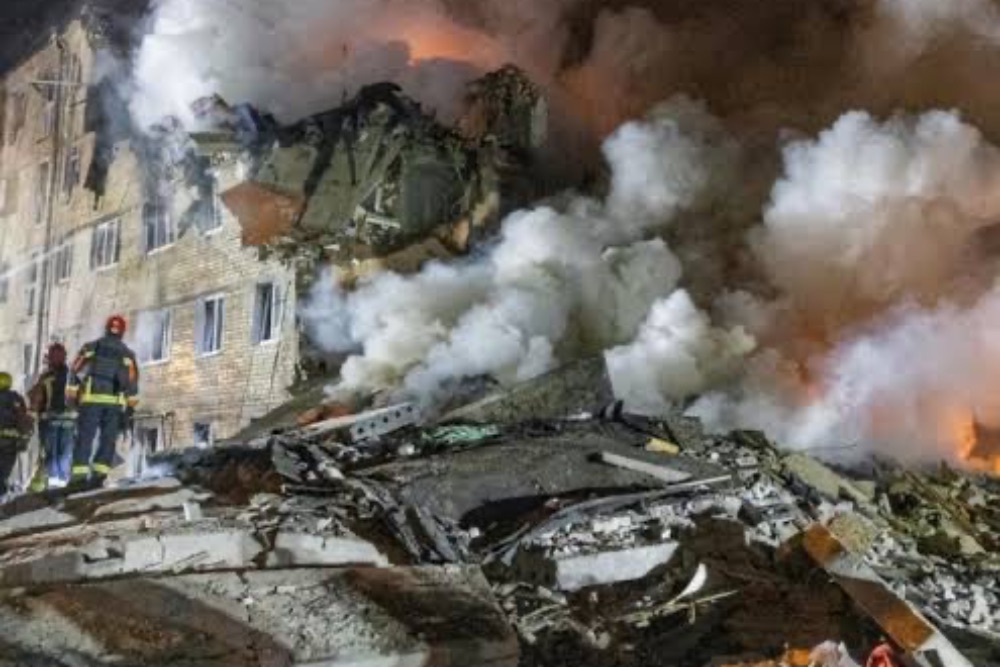
US-Israel-Iran war threatens the already stressed Persian Gulf ecosystem. Oil spills, habitat destruction, pollution, & biodiversity loss are likely. Long-term climate impacts could worsen the damage. Recovery may take decades.
Author: Tony Uso' Oraegbu
The impact of a potential war involving the United States, Israel, and Iran on the ecosystem of the Persian Gulf region could be severe and long-lasting. The Gulf is already one of the most environmentally stressed marine environments in the world, and military conflict would worsen existing ecological pressures.

1. Oil Spills and Marine Pollution
The Gulf region hosts some of the world’s largest oil reserves and shipping routes. War could lead to attacks on oil tankers, pipelines, and offshore platforms. Large-scale oil spills would contaminate the waters of the Persian Gulf, killing fish, seabirds, and marine mammals while damaging coral reefs and mangroves. Such pollution can take decades to clean up.
2. Destruction of Coastal Habitats
Missile strikes, naval battles, and explosions near coastal facilities could destroy fragile ecosystems such as coral reefs, seagrass beds, and mangrove forests. These ecosystems serve as breeding grounds for fish and protect coastlines from erosion. Damage to them would disrupt the entire marine food chain.
3. Chemical and Air Pollution
Bombings of industrial plants, oil refineries, and storage depots could release toxic chemicals into the air and water. Smoke and soot from burning oil facilities may spread across countries such as Saudi Arabia, Kuwait, Qatar, and the United Arab Emirates, worsening air quality and harming human and animal health.
4. Damage to Fisheries and Food Security
Millions of people in Gulf countries depend on fisheries for food and livelihood. Oil pollution, underwater explosions, and military vessel activity would reduce fish populations and contaminate seafood, threatening food security and the regional fishing economy.
5. Threats to Marine Biodiversity
The Persian Gulf is home to endangered species such as sea turtles, dugongs, and several coral species. War-related pollution and habitat destruction could accelerate biodiversity loss and push some species closer to extinction.
6. Long-Term Climate and Environmental Effects
Burning oil wells and damaged energy infrastructure could release huge quantities of greenhouse gases and black carbon into the atmosphere. This would contribute to regional climate stress and further warm the already hot Gulf waters.
A war involving the United States, Israel, and Iran would not only have political and economic consequences but also devastating environmental effects.
The fragile ecosystem of the Persian Gulf could suffer oil pollution, biodiversity loss, habitat destruction, and long-term ecological damage that may take decades to recover.



No comments yet. Be the first to share your thoughts!