

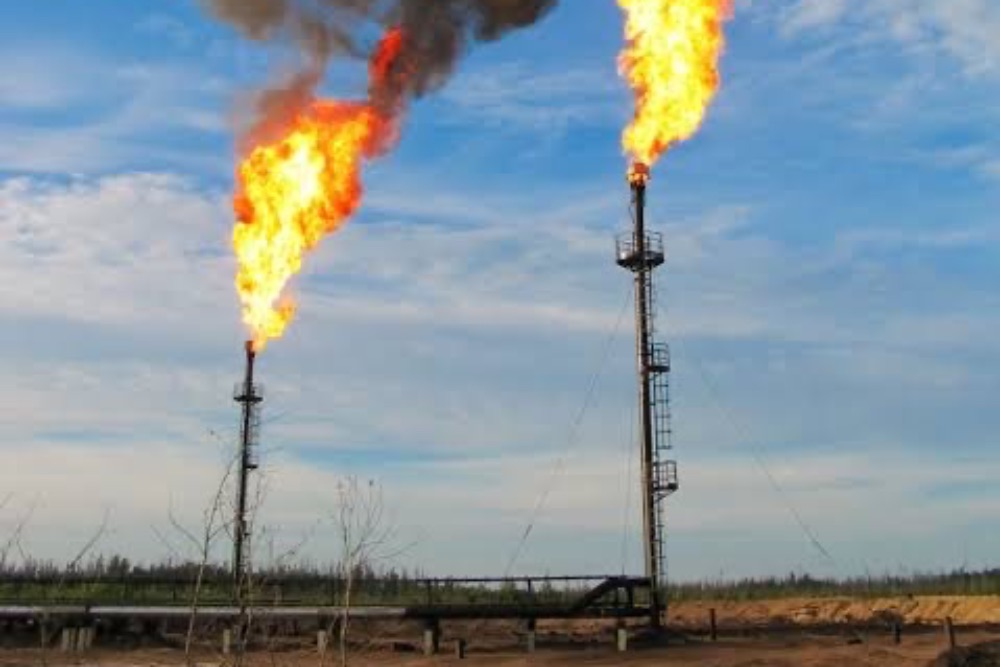
Nigeria's gas flaring began in the 1950s with no gas capture tech. Boom years (70s-80s) worsened it due to oil focus. Environmental protests & legal action spurred change. Modern efforts like the NGFCP aim to reduce flaring, but it remains a challenge.
Gas flaring in Nigeria has a long history linked to the development of the country’s oil industry. It began in the late 1950s and has remained one of the major environmental and economic challenges in the oil-producing regions, especially the Niger Delta.
Early Years (1950s–1960s)
Gas flaring started shortly after commercial oil was discovered in 1956 by Shell-BP at Oloibiri. At that time, natural gas produced alongside crude oil (associated gas) had little commercial value and there was no infrastructure to capture or utilize it. As a result, oil companies burned the gas in open flames—a process known as gas flaring.
By the early 1960s, when Nigeria began exporting crude oil after independence in 1960, gas flaring had already become a routine practice in the oil fields.
Expansion During Oil Boom (1970s–1980s)
During the oil boom of the 1970s, Nigeria rapidly increased crude oil production. This expansion led to a sharp rise in gas flaring because most oil companies focused primarily on oil extraction rather than gas utilization.
To address the problem, the government introduced regulations such as the Associated Gas Re-Injection Act of 1979, which required oil companies to submit plans for gas utilization or reinjection. However, enforcement was weak, and companies continued flaring gas by paying relatively small penalties.
Environmental Awareness and Legal Actions (1990s–2000s)
By the 1990s, communities in the Niger Delta began protesting against gas flaring due to its severe environmental and health impacts. Continuous flaring contributed to air pollution, acid rain, destruction of crops, and climate change.
Environmental groups and local activists pushed for stronger enforcement. In 2005, a Nigerian court ruled that gas flaring violated constitutional rights to life and dignity in a case involving communities in Ijaw areas of the Niger Delta.
Modern Efforts to Reduce Gas Flaring (2010s–Present)
In recent years, Nigeria has taken steps to reduce gas flaring and utilize natural gas more effectively. Initiatives include:
The Nigerian Gas Master Plan (2008) to promote gas infrastructure and domestic gas use.
The Nigerian Gas Flare Commercialisation Programme (NGFCP) launched in 2016 to allow investors to capture and use flared gas.
Stricter penalties for flaring and new policies encouraging gas-to-power projects.
Despite improvements, Nigeria has remained among the world’s top gas-flaring countries according to the World Bank’s Global Gas Flaring Reduction Partnership.
Conclusion
The history of gas flaring in Nigeria reflects the country’s long dependence on oil production and the slow development of gas utilization infrastructure. While significant progress has been made through policy reforms and technological investments, reducing gas flaring remains a key environmental and economic priority for Nigeria’s energy sector.



No comments yet. Be the first to share your thoughts!