

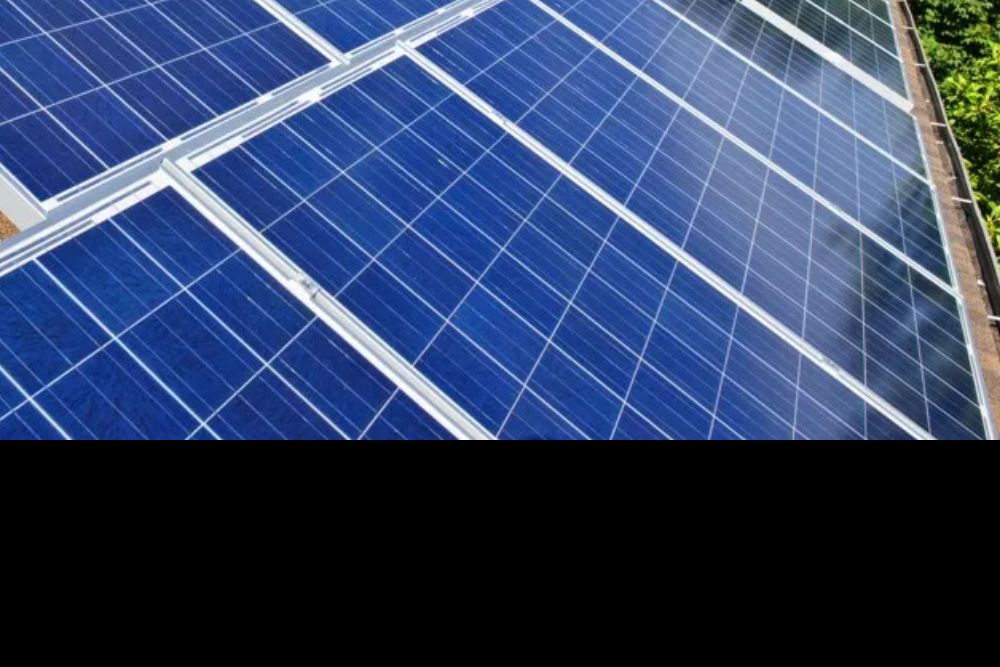
Nigeria faces economic hardship & unreliable electricity (epileptic supply). Many rely on costly generators, costing $5B annually. Off-grid solar offers a solution, leveraging Nigeria's abundant sunlight. High upfront costs are a barrier to widespread adoption.
Focusing On Nigeria’s Renewable Energy Potentials for Sustainable Growth and Development
Adebayo Obajemu
Nigeria is currently in the throes of economic difficulties, caused by the government's ongoing painful economic reforms tied to exchange rate unification and the removal of subsidies on premium motor spirit. These reforms have resulted in steep increase in the prices of goods and services, eroding the purchasing power and overall welfare of the population.
Just when the country should be advancing in its march of energy transition from fossil towards net zero emissions and solar energy, it has found itself grappling with epileptic electricity supply due to the complex challenges facing the Nigerian Electricity Supply Industry (NESI). These challenges consist in limitations in gas supply for thermal plants, huge debt obligations to gas producers and generating companies, outmoded and inadequate transmission infrastructure, absence of cost reflective tariffs, power theft etc. While the government is actively working to revitalize the electricity supply industry, households and businesses are burdened by the financial impact of generating their own electricity using costly refined petroleum products to power their generators.
As of 2022, according to GreenPlinth's findings, over 40% of Nigerian households have generators and bear the ancillary costs. The absence of reliable power supply has forced 80% of those with access to grid electricity to rely on alternative sources of electricity, primarily petrol and diesel generators. This reliance on generators is further evidenced by the fact that Nigerian businesses and households spend over $5 billion annually on fuel for their generators. These have health hazards. This huge expenditure on fuel for generators reflects the financial burden imposed by the high cost of petroleum products for electricity generation.
Given the complexity of the solutions needed to fix the on-grid segment of the NESI, "it is important for the government to address the increasing trend of energy poverty in the country and its harmful effects on the productivity and welfare of Nigerians", Professor Ropo Atobami, an energy expert told GreenPlinth. " It's very important for government to give consideration to exploring off-grid energy solutions that can swiftly provide electricity to households within a short timeframe, with acquisition costs payable over an extended period", he concluded.
Off-grid Solar Solutions can Improve Energy Access for Households
By nature of its geography, Nigeria is greatly endowed with good weather and climatic conditions that yield the required resources to power the electricity needs of households and businesses. This has given opportunity and leverage for off-grid energy solutions to play an important role in tackling the electricity supply challenges in the country.
By focusing on off-grid energy solutions, the country can tackle the energy poverty facing many households and businesses. These solutions can provide reliable and sustainable electricity, reducing the financial burden on the population and contributing to improved productivity and welfare.
Solar systems are good alternatives- that align with energy transition- for households, providing an avalanche of advantages that make them a reliable and sustainable off-grid option. It must be noted that the country's abundant sunlight throughout the year allows solar energy much leeway to be a consistent and dependable source of electricity for households.
According to GreenPlinth's investigations, Nigeria receives an annual solar energy intensity of 1,934.5 kWh/m2/year, resulting in 6,372,613 PJ/year of solar energy. With a 10% conservative conversion efficiency, the available solar energy resource is about 23 times the Electricity Commission of Nigeria’s 2030 energy demand projection.
Encouragingly, the solar energy capacity in Nigeria has been steadily growing, attaining around 37 megawatts in 2022, this growth is a resounding reflection of the potential for solar energy to tackle the electricity supply challenges in the country. As the country continues to harness its solar energy potential, households stand to benefit from reliable, sustainable, and cost-effective electricity, contributing to improved welfare and productivity.
Challenges of Adopting Nation-wide Roll out of Off-grid Solar Energy Systems
The major obstacle to adopting nation-wide roll out of off-grid solar system in Nigeria is the high acquisition cost, which makes these systems beyond the reach of most Nigerians, despite the effectiveness. GreenPlinth's findings revealed that the average acquisition cost of solar solutions in Nigeria varies depending on the capacity of the battery, the size of the solar panels, specific energy needs and installation costs. For example, a 1.5KVA system, which includes 2 batteries, 2 solar panels and installation, typically costs from N1,500,000, making solar energy technology expensive, particularly for low-income earners.




No comments yet. Be the first to share your thoughts!