

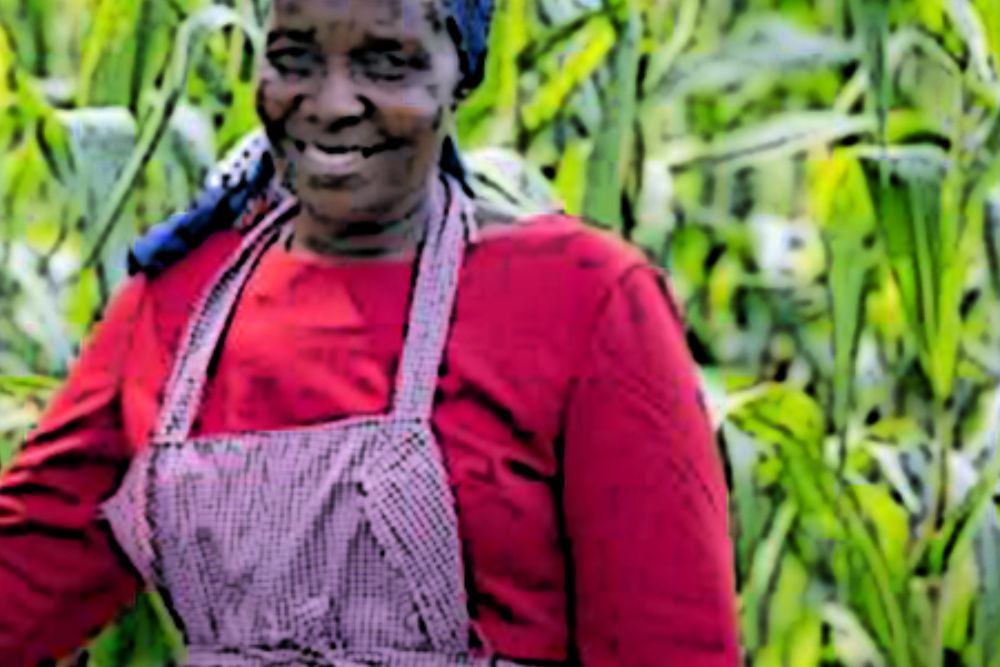
**Waste = Resource!** Traditional farming knew this: crop scraps, manure, & byproducts can be composted, made into fuel, & more. "Waste-to-wealth" boosts soil, creates energy, & strengthens food security. Innovation & policy are key! #Sustainability #Agroecology
In an era defined by scarcity, climate anxiety, and rising food insecurity, one truth remains both timeless and revolutionary: in farming, nothing is truly a waste. What appears to be refuse is, more often than not, a resource waiting to be rediscovered, repurposed, and reintegrated into the agricultural cycle. This principle, long understood by traditional farmers, is now gaining renewed urgency in the global pursuit of sustainability.
Across rural landscapes, the remnants of harvest—crop stalks, husks, animal droppings, and processing by-products—have historically been returned to the soil or reused in ingenious ways. Today, science has given this age-old wisdom a name: circular economy. At its core lies the idea that systems should mimic nature, where outputs from one process seamlessly become inputs for another.
Take crop residues, for instance. Rather than being burned—a practice still common in many parts of the world—they can be transformed into compost or biochar, enriching soil fertility and reducing dependence on chemical fertilizers. Livestock manure, often regarded as a nuisance, is in fact a potent organic fertilizer and a key input in the production of biogas, a clean and renewable energy source. Through processes like anaerobic digestion, farm waste becomes fuel, powering homes and reducing reliance on fossil energy.
Agro-industrial by-products also hold immense promise. Rice husks, groundnut shells, and cassava peels can be converted into briquettes—an alternative cooking fuel that addresses both waste management and deforestation. In a country like Nigeria, where energy poverty persists and forests are under pressure, such innovations are not just desirable; they are necessary.
Yet, despite these opportunities, waste still litters many farms and communities. Poor awareness, lack of infrastructure, and limited access to technology continue to hinder the full realization of waste-to-wealth systems. The result is a paradox where farmers grapple with declining soil fertility while sitting atop mountains of organic resources that could restore it.
The way forward demands a shift in mindset as much as in method. Governments must invest in extension services that educate farmers on sustainable practices. Private sector players should see agricultural waste not as a disposal problem, but as a business opportunity. And farmers themselves must embrace innovation, recognizing that every by-product has value.
Moreover, integrating waste management into agricultural policy is no longer optional. It is central to achieving food security, climate resilience, and rural development. By promoting composting, biogas systems, and biomass energy, nations can unlock new income streams for farmers while reducing environmental degradation.
Ultimately, the philosophy that nothing is a waste in farming is more than a slogan—it is a blueprint for survival in a resource-constrained world. Nature does not waste, and neither should we. The farm, when properly managed, is not just a site of production; it is a self-sustaining ecosystem where every output has a purpose.
In embracing this truth, we do more than improve agriculture—we redefine our relationship with the environment itself.



No comments yet. Be the first to share your thoughts!