

Failed to generate excerpt.
As nations grapple with the twin challenges of perennial darkness and climate change, the question of the cleanest power source has moved from academic debate to urgent policy priority. For a country like Nigeria—rich in natural resources yet plagued by chronic power shortages—the answer is not merely technical; it is existential.
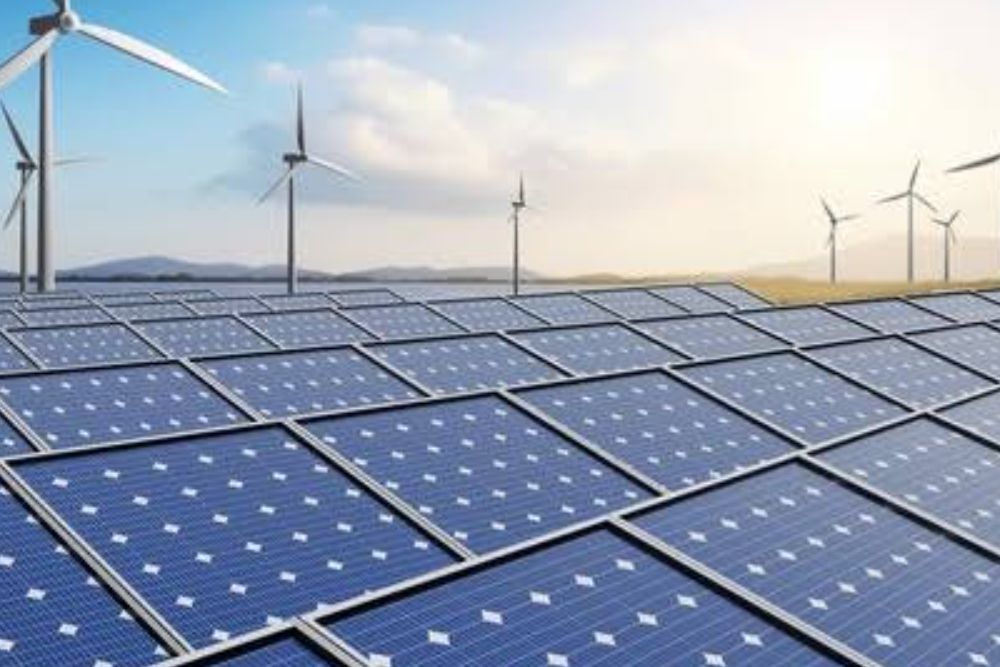
Clean energy is often defined by its environmental footprint, particularly the level of greenhouse gas emissions it produces across its lifecycle. By this measure, renewable energy sources such as solar and wind stand out as clear leaders. Solar power, harnessing the sun’s abundant rays, produces electricity without emitting pollutants during operation. Wind energy, driven by nature’s invisible currents, boasts one of the lowest carbon footprints of any energy source known today. Together, they represent not just the cleanest options, but the most forward-looking.
Hydropower, long a staple of electricity generation in many parts of the world, also offers low emissions and reliable output. However, its environmental trade-offs—ranging from ecosystem disruption to displacement of communities—underscore the need for careful planning and modern safeguards. Nuclear energy, often overlooked in public discourse, presents another paradox. While it produces near-zero emissions during operation and delivers massive, stable power, concerns over radioactive waste, safety, and high capital costs continue to limit its adoption.
Yet, the debate should not be reduced to a simplistic contest of which energy source is “cleanest.” The real challenge lies in building a resilient and diversified energy mix that maximizes benefits while minimizing risks. Solar and wind, though clean, are intermittent. They depend on the availability of sunlight and wind, making energy storage and grid management critical components of any serious renewable strategy.
For Nigeria, the path forward is both clear and compelling. With its vast solar potential and favorable wind corridors, the country is uniquely positioned to lead an energy transition in Africa. Investing in solar farms, encouraging rooftop installations, and developing wind infrastructure can significantly reduce reliance on fossil fuels, cut emissions, and expand access to electricity in underserved communities.
However, this transition requires more than rhetoric. It demands bold policy direction, sustained investment, and a commitment to innovation. Government must create an enabling environment for private sector participation, while also strengthening regulatory frameworks and supporting research into energy storage technologies.
In the final analysis, the cleanest power source is not defined solely by its emissions profile, but by its ability to sustainably meet human needs without compromising the environment. Solar and wind may lead the pack, but it is the intelligent integration of multiple clean energy sources that will ultimately power a greener, more prosperous future.
Nigeria must act—and act decisively. The sun shines brightly, the wind blows steadily, and the opportunity is now.



No comments yet. Be the first to share your thoughts!