

Failed to generate excerpt.
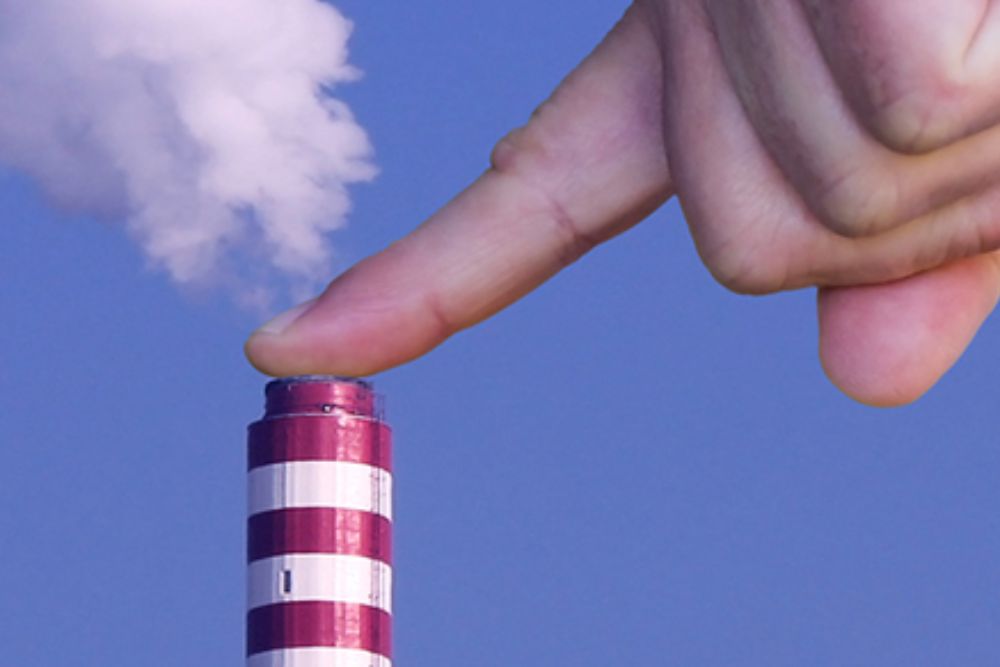
In cities across Nigeria, from Lagos to Ibadan, the air we breathe is becoming an invisible threat. Thick fumes from vehicles, smoke from open burning, and emissions from poorly regulated industries have combined to create a silent public health crisis. Yet, what makes this situation more troubling is not the absence of laws, but the failure to enforce them.
Nigeria is not lacking in legal provisions to tackle air pollution. The National Environmental Standards and Regulations Enforcement Agency (NESREA), established under the NESREA Act of 2007, was specifically mandated to regulate and enforce environmental standards, including air quality. Complementing this is the National Environmental (Air Quality Control) Regulations of 2014, which clearly set emission limits and prohibit harmful practices such as open burning of waste. The Federal Ministry of Environment also plays a central role in policy formulation and oversight.
On paper, these laws are comprehensive. In practice, they are too often ignored.
Across urban centres, it is common to see refuse set ablaze by roadsides, releasing toxic fumes into the atmosphere. Vehicles that should have long been retired from service continue to ply the roads, emitting thick black smoke with little or no consequence. Industrial facilities, in some cases, operate without adequate pollution control systems, compromising the health of surrounding communities.
The consequences are dire. Prolonged exposure to polluted air is linked to respiratory illnesses, cardiovascular diseases, and reduced life expectancy. For a country already grappling with a strained healthcare system, the cost of inaction is simply too high.
The problem, therefore, is not legislation—it is enforcement. Agencies tasked with environmental protection are often underfunded, understaffed, or hampered by bureaucratic bottlenecks. In some instances, regulatory oversight is weakened by corruption or political interference, allowing violators to operate with impunity.
This must change.
First, there is an urgent need to strengthen institutions like NESREA and state environmental agencies with adequate funding, modern monitoring equipment, and well-trained personnel. Enforcement should be consistent and visible, sending a clear message that environmental violations will no longer be tolerated.
Second, state governments must take greater ownership of air quality control. Agencies such as the Oyo State Environmental Protection Agency should intensify efforts to monitor urban pollution sources, regulate waste disposal practices, and enforce vehicle emission standards.
Third, public awareness is critical. Citizens must understand that air pollution is not an abstract environmental issue—it is a direct threat to their health and well-being. Community participation in reporting violations and adopting cleaner practices can significantly complement government efforts.
Finally, Nigeria must align its domestic actions with its international commitments under agreements such as the Paris Agreement. Meeting emission reduction targets is not only a global responsibility but also a national necessity.
The air we breathe should not be a hazard. Nigeria has the laws needed to protect it. What remains is the courage and commitment to enforce them. Until then, the nation risks paying a heavy price in both human lives and economic productivity.
The time to act is now.



No comments yet. Be the first to share your thoughts!