

Failed to generate excerpt.
Under Tinubu Nigeria Leads Africa In Energy Investment Surge
Nigeria has emerged as Africa’s leading destination for energy capital, attracting over $10bn in new upstream investments between 2024 and 2026, according to a government-backed report obtained by StatsphereMag.
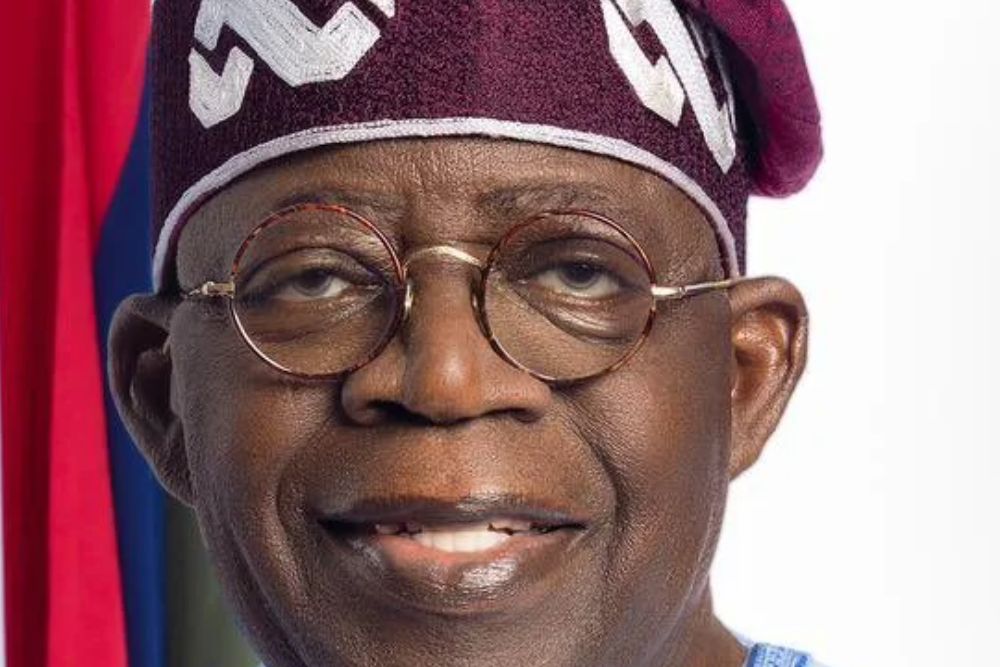
The report, a three-year review of Nigeria’s energy reforms from 2023 to 2026, attributes the turnaround to policy changes introduced under President Bola Ahmed Tinubu, which have restored investor confidence after years of capital flight and stalled projects.
At the centre of the findings is a sharp rise in Nigeria’s share of Africa’s upstream Final Investment Decisions (FIDs), which jumped from about 4 per cent in 2024 to nearly 40 per cent in 2025. The report says this shift pushed Nigeria ahead of long-standing competitors such as Angola, Algeria and Mozambique.
According to the report, “Nigeria has become number one destination for capital in Africa underpinned by President Bola Ahmed Tinubu’s energy reforms,” noting that global upstream investment was tightening at the time the country recorded the rebound.
It added that the recovery has unlocked “a renewed pipeline of over $10bn in Final Investment Decisions,” especially in deep offshore oil fields and integrated gas projects.
For Nigerians, this is not just about figures on paper. The inflow of capital is already shaping production levels, government revenue, and long-term energy security, with direct effects on fuel supply and industrial activity.
The report credited the reforms to executive orders and policy directives that clarified regulatory roles and improved fiscal stability. Agencies such as the Nigerian Upstream Petroleum Regulatory Commission and the Nigerian Midstream and Downstream Petroleum Regulatory Authority were given clearer mandates to reduce bottlenecks and speed up project approvals. Oilmarket analysis
Tax incentives for deep offshore and gas development, alongside VAT adjustments and cost-efficiency reforms, were also introduced to improve investor returns while protecting government revenue. According to the report, these measures significantly reduced contracting delays that previously slowed the sector.
A major outcome of the reform drive was the completion of about $4bn in divestments by international oil companies including Shell, ExxonMobil, Agip and Equinor. These assets have now been transferred to indigenous firms such as Renaissance, Seplat, Oando and Chappal, marking a shift in ownership structure across the industry.
The report noted that this transition has “unlocked record growth in onshore production and created a more balanced, performance-driven asset ownership structure.”
On output, Nigeria’s crude oil production rose from about 1.2 million barrels per day in 2023 to around 1.6 million barrels per day in 2025. That increase of roughly 400,000 barrels per day is the strongest onshore output recorded in two decades, according to the report. Oilmarket analysis
Gas development also recorded strong growth. Utilisation increased from 2.33 billion standard cubic feet per day in 2023 to 3.25 billion in 2026, a 40 per cent rise. The report described gas as a central pillar of Nigeria’s industrial strategy, powering electricity generation, petrochemicals and export growth.
Domestic gas supply and exports also improved, with export volumes rising by 39 per cent. Key projects such as the $2bn HI Non-Associated Gas Project were highlighted as part of Nigeria’s push to strengthen its position in global gas markets.
In the downstream sector, local refining capacity saw a major rebound. Petrol production rose from near zero in 2023 to 48.2 million litres per day in 2026, while diesel output reached 17.16 million litres daily. The report linked this to improved fuel availability and the end of prolonged petrol queues across the country.
Looking ahead, the report says Nigeria is targeting crude production of 3 million barrels per day, supported by a project pipeline valued at over $50bn. It also stresses that sustaining investor confidence will depend on policy consistency, security in oil-producing regions, and the ability of indigenous operators to efficiently manage newly acquired assets.
In effect, the report concludes that Nigeria is not just attracting investment again it is rebuilding its position as Africa’s dominant energy hub. Renewableenergy solutions



No comments yet. Be the first to share your thoughts!